EN
 ZH
Foot Reflexology Benefits for Rest and Relief
A long day in Chiang Mai can leave its mark on your feet. Hours of walking temples, exploring markets, standing at a café, or sitting through a flight can create a dull heaviness that affects the whole body. Among the most appreciated foot reflexology benefits is its ability to turn that tired, overworked feeling into a quieter, more grounded sense of rest.
What Is Foot Reflexology?
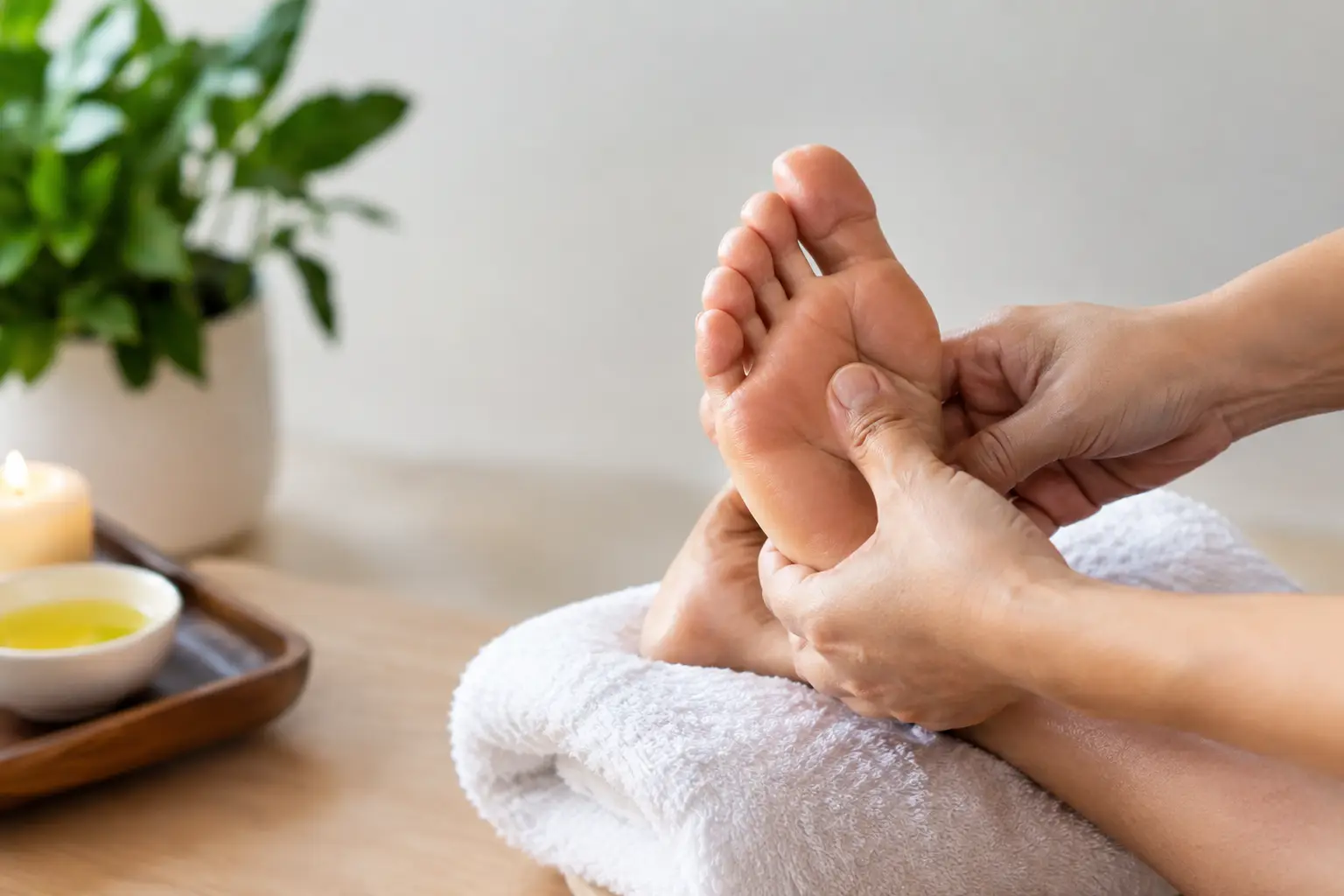
Foot reflexology is a focused treatment in which a therapist uses steady pressure, massage strokes, stretching, and kneading techniques on the feet, ankles, and lower legs. It is rooted in traditional wellness practices that view specific areas of the feet as connected to different parts of the body. A reflexology chart may associate the arches with digestive comfort, for example, or the heel with the lower back and pelvis.
These maps are a traditional framework rather than a medical anatomical system. What makes a session valuable, however, is not a promise to diagnose or cure an illness. It is the thoughtful, skillful attention paid to an area that carries us through every day and is often neglected until it aches.
In a refined spa setting, foot reflexology is more than a quick foot rub. The pace is unhurried, pressure is adjusted to your comfort, and quality oils or creams help nourish the skin while the therapist works through areas of tension. The result can feel both deeply local and wonderfully restorative.
Foot Reflexology Benefits You May Feel
The experience is personal. A traveler recovering from a long flight may notice something different from a runner, a teacher who stands all day, or someone simply seeking a peaceful hour away from a busy schedule. Still, several benefits are commonly appreciated.
Relief for tired, tight feet
The most immediate benefit is often physical comfort. The soles of the feet contain many sensitive nerve endings and work hard to absorb impact, maintain balance, and support posture. Focused pressure and massage can ease the tight, fatigued sensation that builds after long walks, crowded travel days, or hours in shoes.
Work on the ankles and lower legs can be especially welcome when calves feel stiff or feet feel puffy after sitting for extended periods. A gentle session may leave the feet feeling lighter and more mobile, even if it does not replace proper medical care for swelling, injury, or ongoing pain.
A calmer nervous system
Many guests book a foot treatment for their feet and leave feeling that their shoulders, jaw, and thoughts have softened too. Slow, intentional touch can encourage the body to settle out of a rushed state. The quiet repetition of pressure, release, and massage gives the mind fewer places to go.
This is why reflexology suits the end of a sightseeing day or a demanding workweek. It creates a natural pause. With a comfortable chair, a tranquil room, and a warm cup of tea afterward, the treatment becomes a small ritual of returning to yourself.
Support for relaxation and better rest
Because it can reduce the feeling of physical tension and promote calm, foot reflexology may help some people prepare for more restful sleep. The effect is not identical for everyone. A guest who prefers very firm pressure may feel energized at first, while someone who receives gentle, soothing work may be ready to rest immediately.
For the best chance of carrying that calm into the evening, avoid rushing straight back into a packed itinerary. Give yourself time to hydrate, eat lightly, and let the body enjoy the slower pace.
A pleasant feeling of warmth and circulation
Massage naturally increases local blood flow to the area being worked, and many people notice that their feet feel warmer after treatment. This can be particularly comforting after air-conditioned flights, rainy-day walks, or long periods of stillness.
It is wise to keep the claim in perspective. Reflexology should not be presented as a treatment for circulation disorders or other medical conditions. Its value is the immediate sensory comfort of skilled touch, relaxation, and attention to tired muscles, not a substitute for professional medical advice.
An easier connection to the whole body
Feet are easy to overlook, yet discomfort there can influence how we stand, walk, and unwind. When the feet feel tense, the legs may feel tired; when the legs are tired, the whole body can seem less at ease. A foot-focused treatment invites you to notice that connection.
This is one reason reflexology pairs so naturally with Thai massage. Traditional Thai techniques may incorporate stretching and rhythmic bodywork, while foot reflexology offers a more concentrated, grounded experience. Together, they can create a balanced sense of release without requiring a full-day spa schedule.
What a Thoughtful Session Should Feel Like
Good reflexology is attentive, not forceful for the sake of being forceful. Some points may feel tender, especially in tired arches, heels, or along the edges of the feet. Tenderness should remain manageable, and clear communication matters. Let your therapist know if you prefer lighter pressure, have sensitive feet, or are recovering from an active day.
A treatment may begin with cleansing or warming the feet, followed by broad massage strokes to relax the tissue. The therapist then works more precisely across the soles, toes, arches, heels, ankles, and lower legs. Pressure may be held briefly, then softened with kneading or longer calming strokes so the experience never feels relentlessly intense.
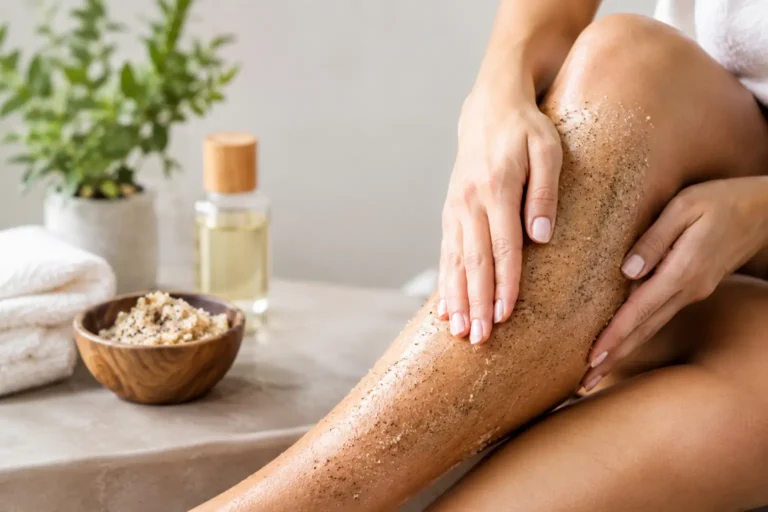
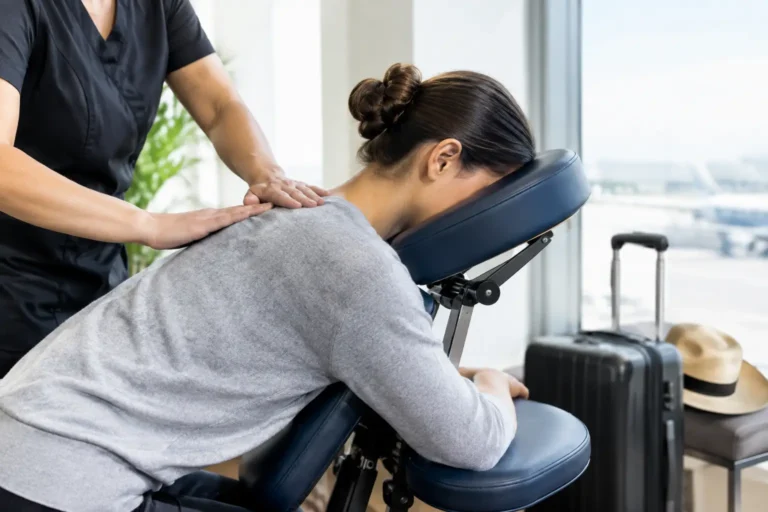
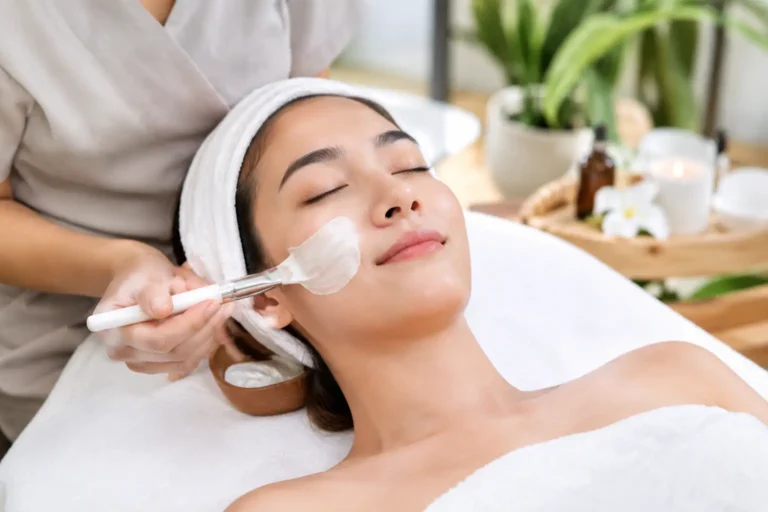
At Malinda Thai Massage, this focused care can be enjoyed as a restorative treatment on its own or as part of a longer spa occasion. Combining it with a body massage, scrub, or facial can be a lovely choice when the goal is not only relief, but a complete body-and-mind reset.
When Reflexology May Not Be the Right Choice
A relaxing treatment should always respect the body’s needs. Postpone foot reflexology and seek appropriate medical guidance if you have an open wound, active skin infection, a recent fracture or sprain, unexplained swelling, severe foot pain, or a suspected blood clot. People with diabetes, neuropathy, vascular conditions, or pregnancy-related concerns should check with a qualified healthcare professional and inform their therapist before booking.
Even when there is no health concern, timing matters. Very deep pressure may not feel right immediately after an intense hike or workout. In that case, a lighter session with soothing massage and lower-leg work may be more comfortable. The best treatment is not the strongest one. It is the one that leaves you feeling cared for.
Making the Most of Your Appointment
Wear comfortable clothing and arrive a few minutes early so you do not begin the session in a rush. Before treatment starts, mention any soreness, ticklishness, previous injuries, or pressure preferences. These small details help a therapist tailor the experience with care.
Afterward, drink water and allow a little quiet time if your schedule permits. Some guests enjoy reflexology once during a trip, while others return every few weeks as part of a regular wellness rhythm. There is no single ideal frequency. Let your comfort, activity level, and desire for rest guide the choice.
Your feet carry every plan, every errand, and every adventure. Giving them an hour of skilled attention can be a gentle way to honor all that movement, then step back into your day feeling steadier, softer, and more at ease.