EN
 ZH
Natural Oil Massage Benefits for Body and Mind
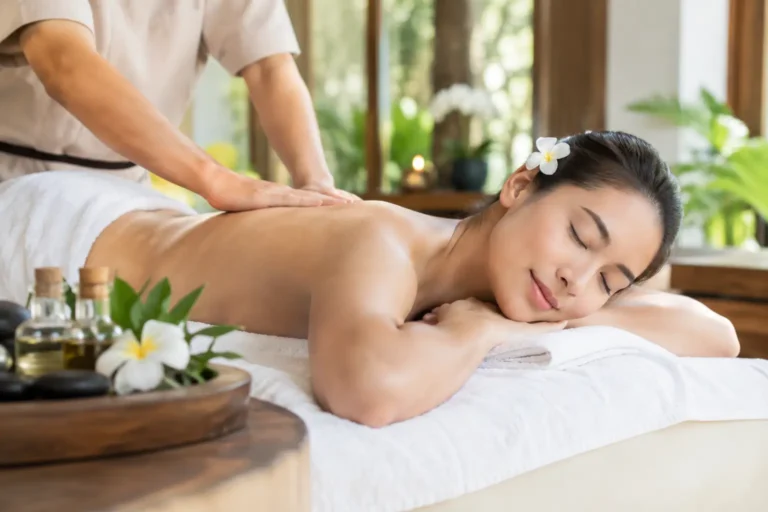
A good massage can change the feeling of an entire day. Shoulders that have been creeping toward the ears begin to soften, tired legs feel lighter, and the mind finally has room to settle. The natural oil massage benefits go beyond a pleasant scent or silky finish on the skin. When quality oils are combined with attentive hands and an unhurried setting, they support a deeper, more nourishing form of rest.
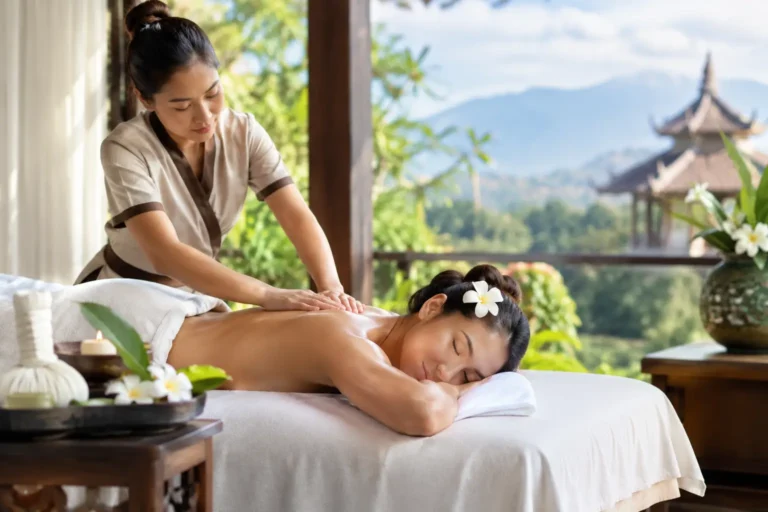
For travelers walking Chiang Mai’s markets and temples, professionals carrying stress through a busy workweek, or anyone craving a quiet reset, oil massage offers a gentle way to return to the body. It can be deeply relaxing, but it can also be tailored to address areas that feel overworked, stiff, or depleted.
Why Natural Oil Changes the Massage Experience
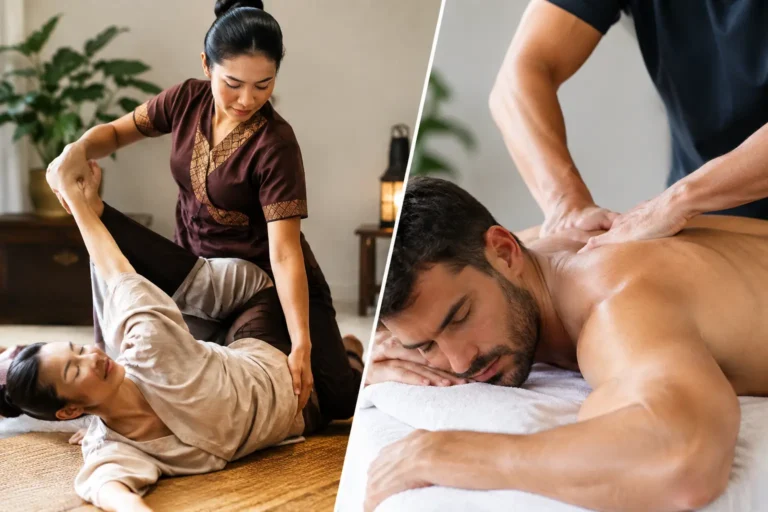
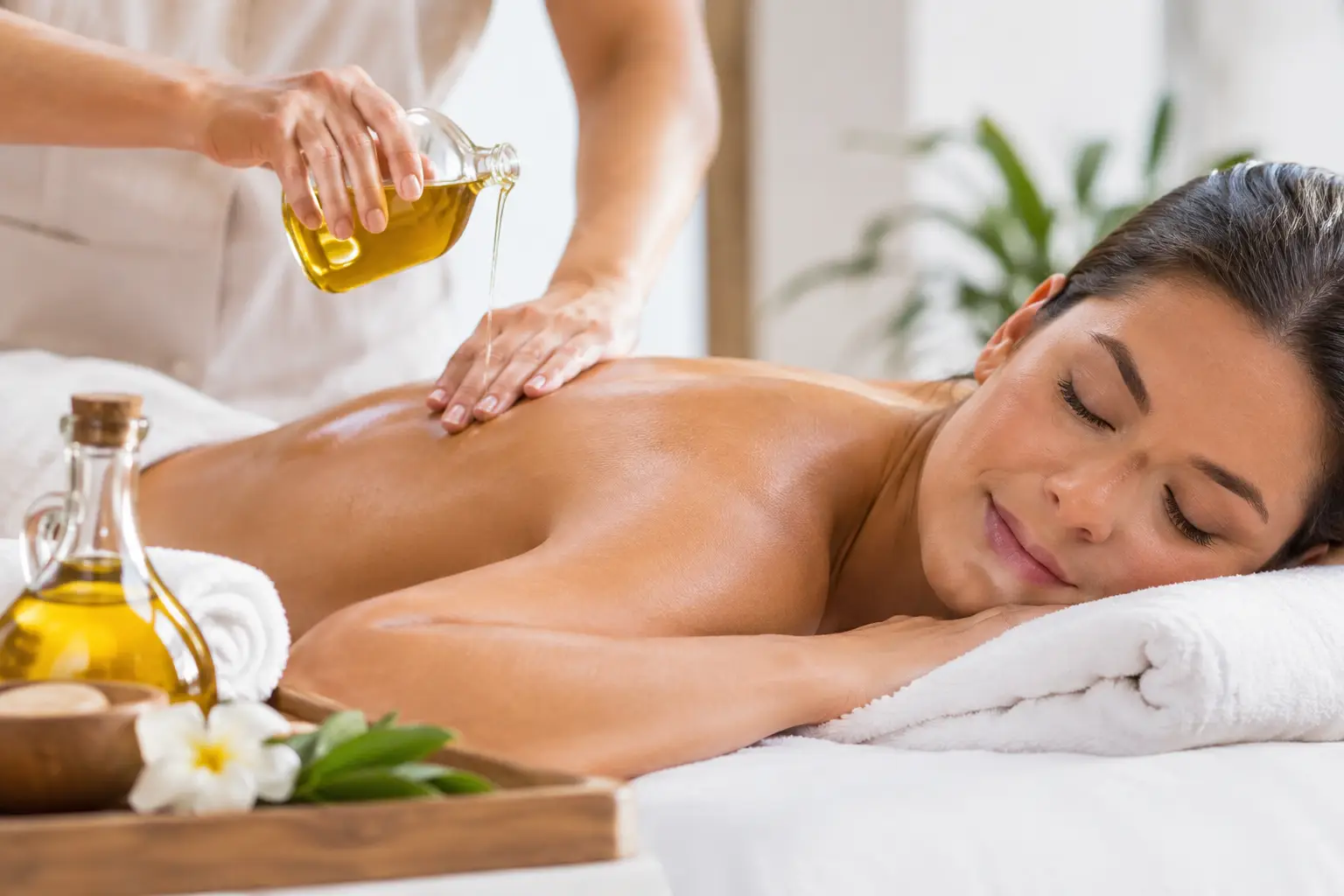
Massage without oil can be wonderful, especially in traditional Thai stretching work. Yet oil creates a different kind of treatment. It allows the therapist’s hands to move in long, flowing strokes across the body while reducing uncomfortable friction on the skin. This makes it easier to spend calm, focused time on the back, shoulders, arms, legs, and feet.
Natural oils also bring their own comforting qualities. Depending on the blend, they may leave the skin feeling supple rather than dry after air travel, sun exposure, or long days spent outdoors. The warmth of the oil, the rhythm of the massage, and the quiet pause from a full schedule work together. Rather than simply treating one tight spot, an oil massage can create the feeling that the whole body has been cared for.
The word natural matters, but it is not a promise that every oil suits every person. A beautifully fragrant botanical blend may be ideal for one guest and irritating for another with sensitive skin. Quality, freshness, proper storage, and a thoughtful consultation are just as meaningful as the ingredient list.
Natural Oil Massage Benefits You Can Feel
A softer landing for tense muscles
When muscles feel tight from walking, exercise, desk work, or travel, steady massage pressure can help them feel less guarded. Oil gives the therapist the glide needed to use broad, soothing strokes before moving into more focused work where appropriate. This progression is often more comfortable than beginning with intense pressure on a cold, tense body.
For a guest who wants deep-tissue attention, oil does not mean the massage must be light. It simply gives the therapist more control over the pace and pressure. Clear communication remains essential. Deep pressure should feel purposeful and relieving, not like something to endure.
Skin that feels cared for, not overlooked
Dry skin can make the body feel uncomfortable in small but persistent ways. Natural carrier oils, such as coconut, jojoba, sweet almond, or rice bran oil, can help seal in a softer feel on the skin’s surface. A massage gives the application a purpose beyond routine moisturizing: it becomes part of a full-body ritual of slowing down.
The result depends on the oil and your skin. Lighter oils may suit guests who dislike any lingering richness, while more nourishing blends can be especially welcome after sun, wind, or dry hotel air. If you are prone to breakouts or have a skin condition, let your therapist know before the session so the oil and treatment areas can be adjusted with care.
A calmer nervous system
There is a particular relief in having nothing to manage for an hour. No maps to check, no messages to answer, no next task to organize. Slow, repeated massage strokes can encourage the body to shift away from its hurried state and toward rest.
This is why the environment matters. Warm lighting, clean linens, gentle aromas, and a peaceful treatment room are not decorative extras. They help the mind recognize that it is safe to pause. Many guests notice that their breathing becomes slower and their thoughts less crowded as the treatment unfolds.
Relief for tired feet and heavy legs
Feet carry more than we give them credit for, particularly on an active trip. An oil massage for the lower legs and feet can feel deeply restorative after long flights, sightseeing, shopping, or standing at work. The oil allows careful kneading around the calves, ankles, soles, and toes without pulling at the skin.
For especially tired legs, a therapist may combine oil massage with gentle stretching or focused foot reflexology. These approaches offer different sensations, and the best choice depends on whether you want flowing relaxation, targeted foot work, or a little of both.
A more complete self-care ritual
The benefits of an oil massage are often strongest when the treatment is not rushed. A few quiet moments before and after allow the body to absorb the experience. Paired thoughtfully with a body scrub, herbal steam, facial, or milk bath, massage becomes part of a longer spa ritual that tends to both physical comfort and emotional ease.
That does not mean every visit needs to be an all-day occasion. A focused oil massage can be exactly right between meetings or after a day of travel. On another day, a longer package may offer the deeper exhale you have been postponing. Wellness works best when it meets the real needs of the moment.
Choosing an Oil Massage That Feels Right
Start with the outcome you want. If your main goal is to settle into relaxation, ask for a gentle to medium-pressure aromatherapy-style oil massage with long, flowing movements. If your shoulders, back, or legs feel persistently tight, request a therapeutic oil massage and tell the therapist where you need more attention.
Be honest about your comfort with fragrance. Essential oils can create a beautiful sensory experience, but some guests prefer a light scent or an unscented option. Mention allergies, pregnancy, recent injuries, sensitivity to pressure, or any areas you would rather not have treated. These details help create a session that feels personal rather than standardized.
It is also worth considering timing. A deeply relaxing treatment before bed can support a restful evening, while a more invigorating massage may feel better earlier in the day. After a strong massage, many people appreciate drinking water, moving gently, and allowing a little space before returning to a demanding itinerary.
What Oil Massage Cannot Replace
Massage is supportive care, not a substitute for medical evaluation. If you have severe or unexplained pain, swelling, fever, a skin infection, recent surgery, a blood clotting condition, or another health concern, seek guidance from a qualified medical professional before booking a treatment. A caring spa will welcome this conversation and adapt the service when appropriate.
It is also normal for the body to respond differently from one visit to the next. Gentle relaxation may be the best choice after a long flight, while firmer work may feel right once you have recovered. There is no prize for choosing the strongest pressure. The best massage is the one that leaves you feeling more comfortable in your body.
At Malinda Thai Massage, the intention behind an oil treatment is simple: to give each guest a peaceful, attentive pause where skilled touch, quality oils, and Thai hospitality come together. Let the treatment be more than an item on the itinerary. Give yourself time to leave slowly, take a sip of tea, and notice how much lighter the day can feel.