EN
 ZH
What to Wear for Thai Massage: Comfort First
A traditional Thai massage may include gentle stretches, rhythmic pressure, and assisted movement that reaches far beyond the shoulders and back. The best answer to what to wear for a Thai massage is simple: choose clothing that lets you breathe, bend, and relax without distraction. You do not need a special outfit, but a little preparation helps your treatment feel more comfortable from the first calming moment to the last.
What to Wear for Thai Massage
Traditional Thai massage is typically performed while you are fully clothed. Rather than using massage oil on bare skin, your therapist works through comfortable fabric while guiding the body through supported stretches and applying pressure along energy lines and tense muscle groups.
Think of your outfit as something you could comfortably wear for gentle yoga, an unhurried walk, or a quiet afternoon at home. It should move with you, never pinch at the waist, pull across the shoulders, or make you self-conscious when your legs are stretched or lifted.
Lightweight cotton, bamboo blends, linen blends, and soft athletic fabrics can all work well. In Chiang Mai’s warm climate, breathable materials are especially welcome before and after your appointment. A loose T-shirt or relaxed long-sleeve top paired with soft pants, leggings, or comfortable shorts is usually ideal.
The best fabrics and fit
Choose clothes with enough room for your hips, knees, and shoulders to move naturally. Stretchy joggers, yoga pants, loose drawstring pants, and modest athletic shorts are all sensible choices. A relaxed top is preferable to anything fitted tightly around the chest, neck, or arms.
Avoid stiff jeans, tailored trousers, restrictive shapewear, short skirts, or clothing with heavy belts, metal details, and bulky zippers. These items can limit movement and create pressure points while you are lying down. Very loose, flowing garments can be comfortable, although fabric that constantly shifts or gathers may be less practical during assisted stretches.
You do not need to arrive in workout clothes if that does not suit your style. The goal is simply ease. Clean, soft everyday clothing that allows a full range of motion is more than enough.
Will the Spa Provide Clothing?
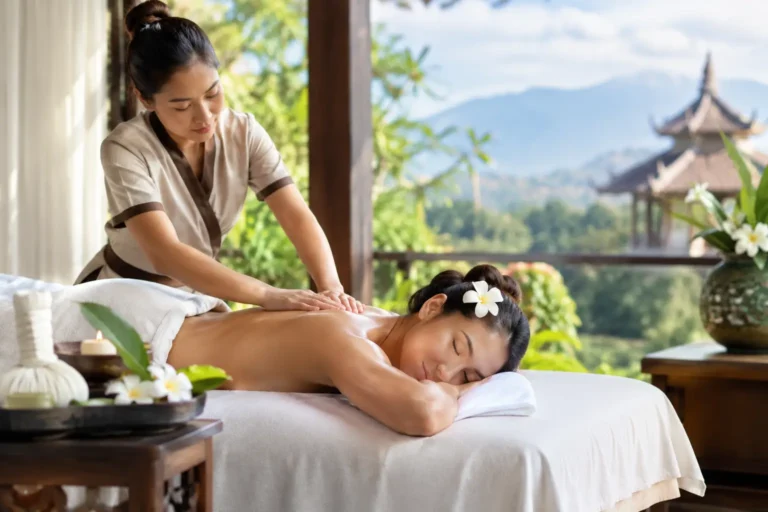
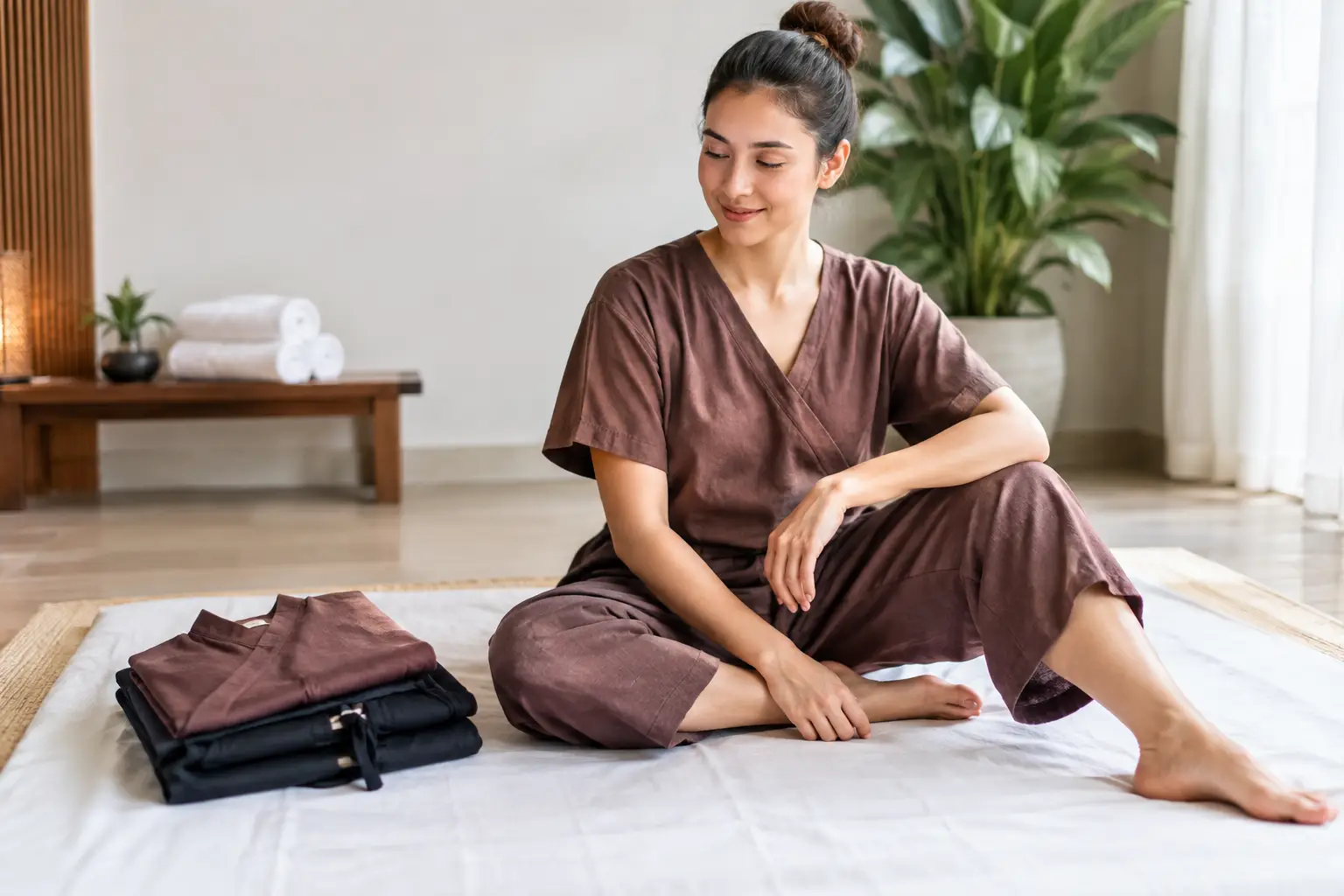
Many Thai massage spas provide loose cotton pajamas or comfortable treatment clothing for guests. This is common for traditional Thai massage and can be particularly convenient for travelers who have spent the day exploring temples, markets, or mountain roads.
If the spa provides an outfit, you are welcome to change when you arrive. These garments are selected to allow your therapist to work comfortably while helping you feel appropriately covered and at ease. Wearing spa-provided clothing also means you can arrive in whatever you have been wearing that day, then settle into your treatment without concern.
It is still wise to wear comfortable underwear beneath provided clothing. Choose undergarments that feel secure but not restrictive, as Thai massage can involve hip-opening positions, side-lying work, and gentle leg stretches. If you have a preference around coverage or positioning, tell your therapist before the session begins. A caring spa will always respect your comfort and privacy.
What to Wear for Oil Massage and Spa Treatments
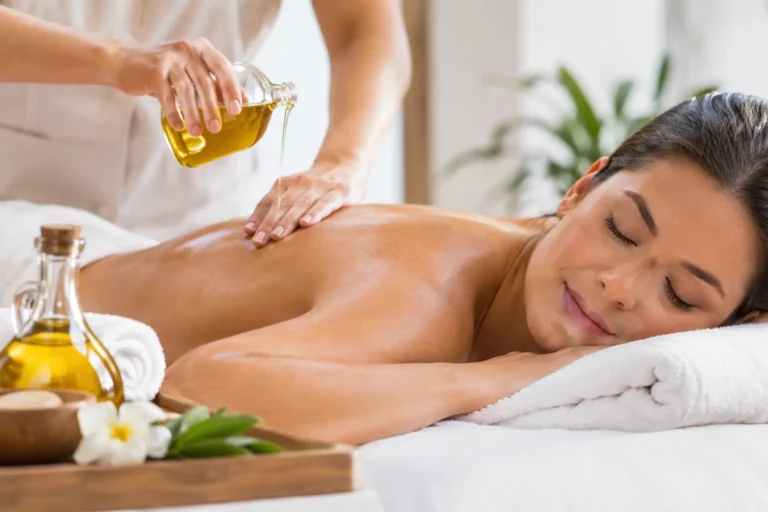
The clothing advice changes slightly when your visit includes an oil massage, aromatherapy treatment, body scrub, herbal compress, facial, or bath ritual. These services often involve changing into spa-provided disposable garments, a robe, or towels, depending on the treatment.
For an oil massage, wear clothes that are easy to remove and put back on afterward. Although quality oils are applied with care and time is allowed for them to absorb, it is best not to choose your most delicate silk blouse, formal dress, or light-colored piece that you would worry about staining. Relaxation is easier when you are not thinking about your wardrobe.
If you are enjoying a longer spa package, a soft, easy outfit is particularly helpful. After a body scrub, steam, milk bath, or restorative massage, most guests prefer to step back into loose clothes that preserve that light, unhurried feeling. Tight denim and structured layers can feel surprisingly uncomfortable after the body has finally let go of its tension.
Foot reflexology calls for simple choices
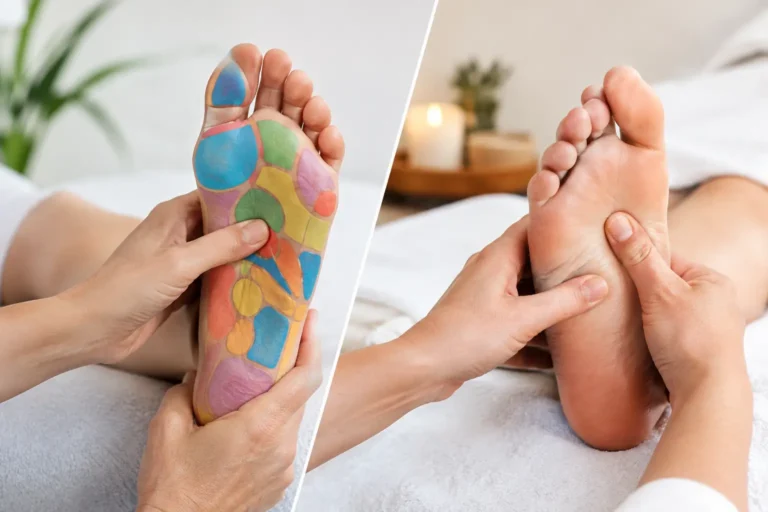
For foot reflexology, the most useful consideration is access to your lower legs and feet. Wear pants that can roll comfortably above the calves, or choose shorts, a skirt with suitable coverage, or loose pants that do not need to be tightly folded. You will usually remove shoes and socks, so simple footwear makes the transition easy.
If you have been walking around Chiang Mai in closed shoes all day, there is no need to feel embarrassed. Foot treatments are a welcome reset for travelers and busy locals alike. Your therapist is there to offer thoughtful care, not judgment.
What Not to Bring Into the Treatment Room
A few small choices can make your session quieter and more restorative. Remove watches, large earrings, necklaces, bracelets, and anything that may press into the skin when you lie down. Hair clips and tight ponytails can also become uncomfortable during neck and scalp work, so a soft hair tie is often the better choice.
It is best to leave valuable accessories securely stored and silence your phone before your treatment begins. A Thai massage has a beautiful, steady rhythm. Letting notifications interrupt that rhythm can pull your mind back to a schedule you came to set aside.
Heavy perfume is also worth avoiding. Thai massage rooms often feature natural oils, herbal elements, and a peaceful scent designed to support calm. Arriving freshly showered is considerate, but a light touch with fragrance allows the treatment environment to remain gentle for you and everyone around you.
Comfort Matters More Than Looking Prepared
There is no need to purchase a new outfit or arrive looking like an experienced spa guest. The most prepared guest is the one who feels comfortable enough to communicate openly and receive the treatment without tension.
Let your therapist know about an old injury, a sensitive area, recent sunburn, pregnancy, or any movement that does not feel right. Clothing cannot solve every comfort concern, but clear communication can. Traditional Thai massage can be deeply restorative, yet it should never feel like something you have to endure. Pressure and stretches can be adapted to your body, your flexibility, and how you feel that day.
If you tend to feel cool in air-conditioned spaces, bring a light layer for before and after your appointment. During the massage, your therapist can usually provide a covering or adjust the room for your comfort. If warmth helps you relax, mention it. Small details often shape the whole experience.
A Simple Arrival Plan
Give yourself a little time to arrive rather than rushing in at the last minute. Wear your comfortable clothing, use the restroom beforehand, remove bulky accessories, and take a moment to settle. If you are changing into spa attire, this quiet transition can become part of the ritual rather than another task to hurry through.
Try not to schedule strenuous exercise immediately after a longer Thai massage. Your body may feel open, relaxed, and pleasantly heavy after sustained pressure and stretching. A gentle walk, water, tea, or a calm meal can help you carry the treatment’s benefits into the rest of your day.
At Malinda Thai Massage, the intention is not simply to help you fit a treatment into your itinerary. It is to create space for your body and mind to slow down together. Wear what helps you feel at ease, allow yourself to be cared for, and let the calm follow you long after you leave.