EN
 ZH
Thai Massage Versus Deep Tissue: Which Fits You?
A stiff neck after a long flight, tired legs from walking Chiang Mai’s streets, or shoulders tightened by weeks at a laptop can all call for massage. Yet Thai massage versus deep tissue is not simply a choice between gentle and strong. These treatments work through the body in different ways, and the right one depends on whether you need to move more freely, soften a stubborn knot, settle your mind, or enjoy a little of each.
At a thoughtful spa, neither treatment should feel like something to endure. Your comfort, breathing, and response to pressure guide the experience from beginning to end.
Thai Massage Versus Deep Tissue: The Essential Difference
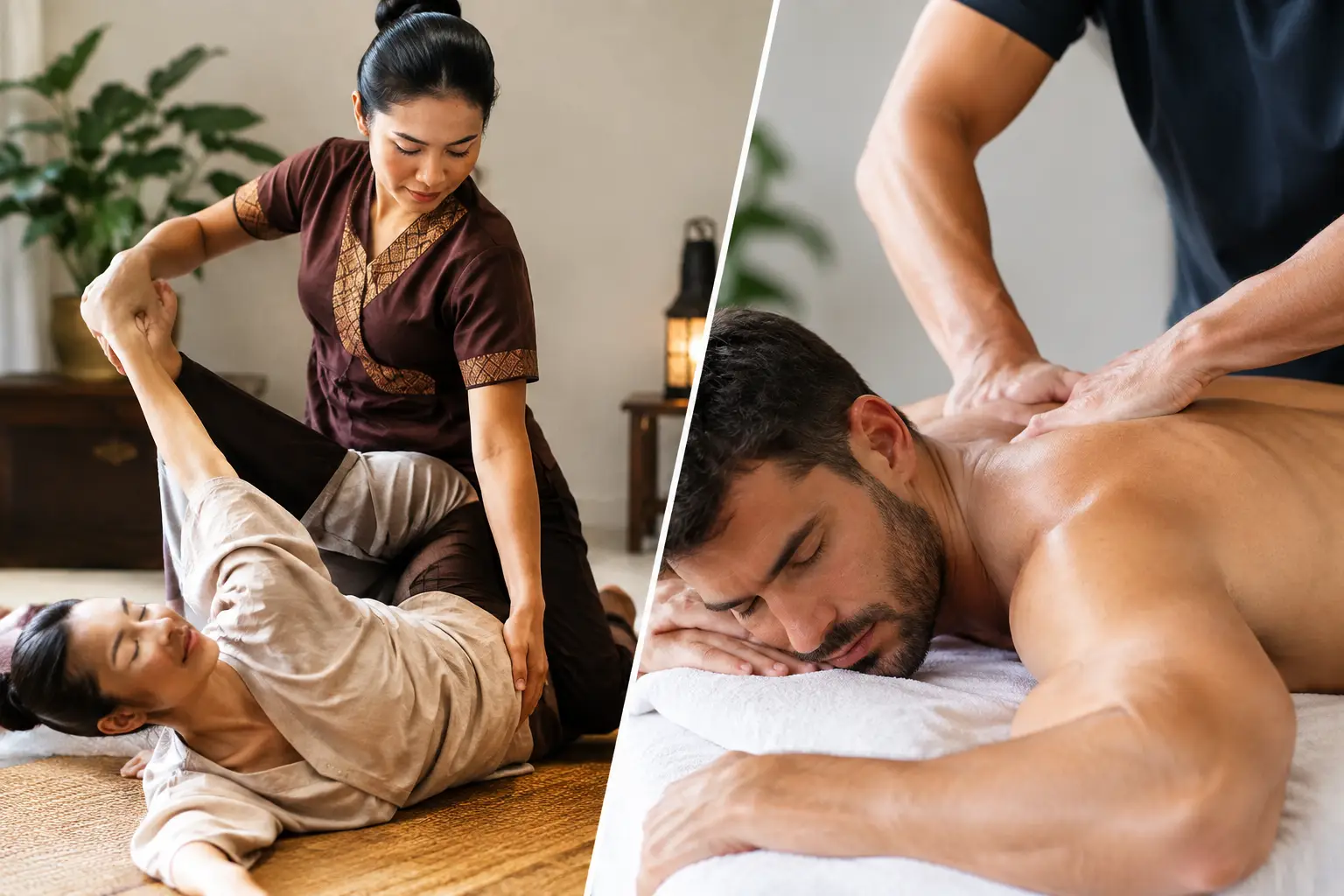
Traditional Thai massage is an active, full-body practice rooted in Thai healing traditions. Rather than relying mainly on oil and long gliding strokes, the therapist uses palms, thumbs, forearms, elbows, and carefully supported stretches. You may lie on a floor mat or massage bed in comfortable clothing while the therapist guides your body through positions that open the hips, lengthen the spine, and ease the limbs.
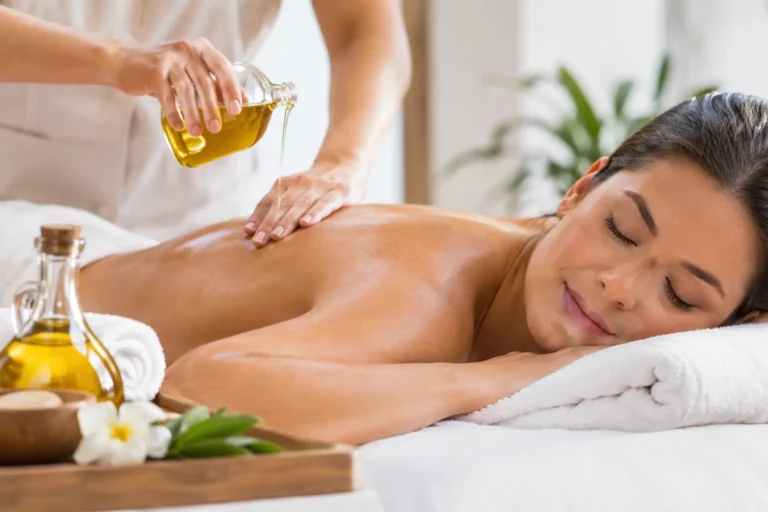
Deep tissue massage is more focused on areas of persistent muscular tension. It generally uses slower, more deliberate pressure to work through the layers of muscle and connective tissue. Quality oils or lotions help the therapist make measured strokes, particularly around the back, shoulders, neck, glutes, or legs. You are usually undressed to your personal comfort level and professionally draped throughout the session.
The difference is not that Thai massage is always light and deep tissue is always intense. Traditional Thai massage can be powerfully invigorating, while deep tissue can be calm and gradual. The distinction lies in the approach: Thai massage combines pressure with movement and assisted stretching; deep tissue concentrates on releasing dense, localized tension.
What a Traditional Thai Massage Feels Like
A Thai massage often begins quietly, allowing your body to settle before the therapist applies rhythmic compression along the legs, arms, back, and shoulders. The pace can feel meditative. Pressure is followed by release, inviting the muscles to soften rather than forcing them to yield.
The stretching is one of its most memorable qualities. A therapist may gently mobilize your hips, rotate the shoulders, lengthen the hamstrings, or support a mild spinal twist. For travelers who have spent hours seated on a plane, or active guests whose calves and feet feel overworked, this broad attention can bring a welcome sense of space through the whole body.
Thai massage is often a lovely choice when you feel generally tight, sluggish, or mentally overextended but cannot point to one single painful spot. Many guests leave feeling both relaxed and refreshed, as if their posture has been gently reset. Because it is usually performed without oil, it can also suit those who prefer to remain comfortably clothed or want a treatment that feels more active than a traditional oil massage.
That said, flexibility is never a requirement. A skilled therapist adjusts every stretch to your range of motion. You do not need to be athletic, bend easily, or tolerate dramatic positions to benefit from the treatment.
What Deep Tissue Massage Feels Like
Deep tissue bodywork is often chosen when tension has settled into a specific place and refuses to leave. Perhaps your upper back feels locked after carrying a bag, your lower back is fatigued from long days on your feet, or your shoulders remain raised even when you try to relax. The therapist works slowly, allowing time for the tissue to respond rather than rushing through the area.
Pressure may be firm, but firm should not mean sharp, breath-holding pain. Productive pressure often feels like a strong, manageable sensation that gradually softens. If you find yourself tensing, holding your breath, or wanting the therapist to move away, the pressure needs to change. Speaking up is part of receiving good care, not an interruption to the treatment.
Deep tissue massage can feel deeply calming, especially when it is paired with a tranquil room, natural oils, and unhurried attention. Still, it may leave you feeling tender for a day or two, particularly if your muscles have been very tight or you are not used to focused bodywork. Hydration, gentle movement, and a quieter evening can help your body settle afterward.
Choosing Based on What Your Body Is Asking For
Choose Thai massage when your body feels compressed by travel, sitting, repetitive movement, or everyday stress. It is especially well suited to guests who want full-body attention, supported stretching, and a sense of renewed mobility. If you enjoy yoga-inspired movement but would rather be guided than do the work yourself, Thai massage may feel particularly satisfying.
Choose deep tissue when a few areas demand more attention than the rest. It can be a fitting option for the desk-bound professional with persistent shoulder tension, the active traveler with heavy legs, or anyone who wants concentrated work on muscular tightness. Be clear with your therapist about the places that need care, as well as areas you would prefer to avoid.
Sometimes the best answer is neither treatment in its purest form. A guest may benefit from Thai stretching through the hips and legs, followed by slower focused work across the shoulders. Another may want deep tissue pressure but also need the soothing ritual of warm oils, quiet rest, and a relaxing scalp or foot massage. Wellness is personal, and a session can often be shaped around your present needs rather than a fixed label.
Pressure Is Personal, Not a Test of Strength
One common misunderstanding is that the deeper the pressure, the better the result. Muscles do not always release when challenged more aggressively. In some cases, excessive pressure makes the body guard itself, leaving you more tense than when you arrived.
A better goal is effective pressure: enough to reach the tension, gentle enough that your body can respond. Let your therapist know if you prefer light, medium, or firm pressure. Mention recent travel fatigue, old sensitivities, areas of soreness, and whether you are hoping to feel energized or ready for deep rest. These details help create a treatment that feels caring rather than generic.
If you have an acute injury, unexplained pain, fever, severe swelling, a recent procedure, or a health condition that affects circulation, consult an appropriate medical professional before booking intensive bodywork. Massage supports comfort and well-being, but it should not replace medical assessment when something feels wrong.
Make the Treatment Part of Your Reset
The minutes around a massage matter almost as much as the massage itself. Arrive a little early so you are not carrying the rush of the street into the treatment room. Avoid a heavy meal immediately beforehand, drink water, and give yourself a few unplanned moments afterward if possible.
For a Thai massage, wear loose clothing that allows your knees, hips, and shoulders to move freely. For deep tissue, choose an appointment time when you can take things gently afterward, especially if the session focuses on long-held tension. A warm shower, herbal tea, and an early night can extend the feeling of relief.
At Malinda Thai Massage, the intention is not to send guests back into their day as quickly as possible. It is to create a calm, nurturing pause where traditional Thai care, skilled touch, quality oils, and peaceful surroundings work together. Whether you choose stretching, focused pressure, or a more complete spa ritual, the most useful treatment is the one that lets your body exhale.
The next time you are deciding between Thai massage and deep tissue, begin with a simple question: do you need more space to move, or more attention where you are holding on? Your answer can turn a pleasant massage into the kind of restorative care you continue to feel long after you leave.