EN
 ZH
How Often Should You Get a Thai Massage?
A Thai massage can feel especially welcome after a long flight, a day of temple walks, or weeks spent working at a desk. But how often to get Thai massage is less about following a fixed rule and more about listening to what your body needs right now. The right rhythm should leave you feeling lighter, more comfortable, and more rested – not sore, rushed, or overworked.
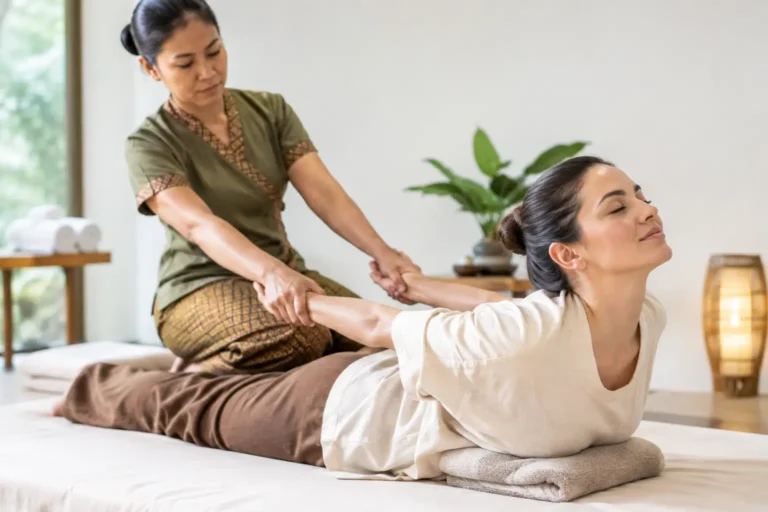
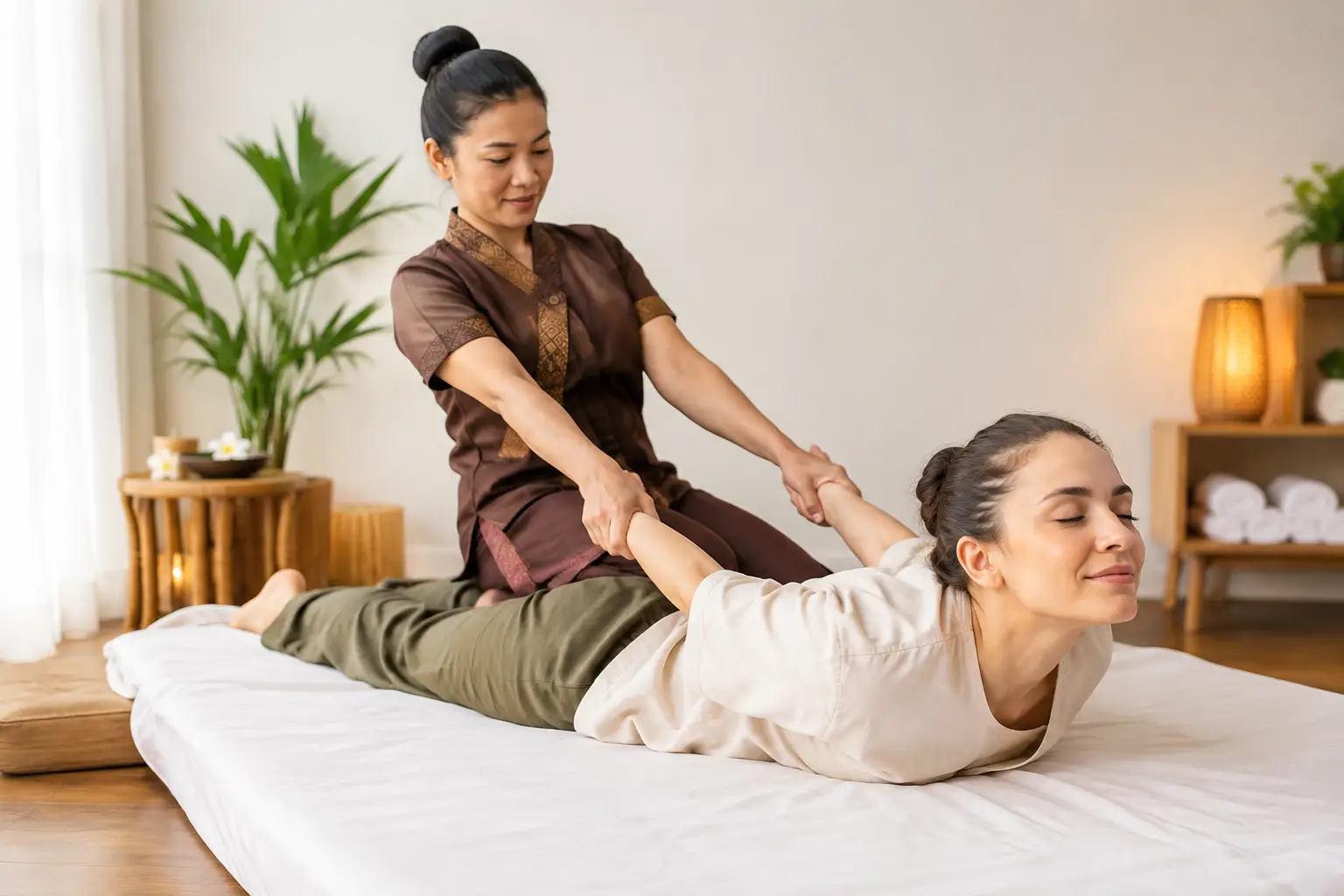
Traditional Thai massage combines assisted stretching, rhythmic pressure, and mindful movement. It can support ease in tired muscles while creating a quieter space for the mind. Whether you are visiting Chiang Mai for a few days or building a steadier wellness routine at home, frequency matters because rest works best when it is thoughtfully paced.
How Often to Get Thai Massage for Your Needs
For many people, a Thai massage every two to four weeks is a comfortable, sustainable starting point. This gives the body time to respond to the work while helping prevent everyday tension from becoming deeply settled. It is a lovely rhythm for office workers, busy parents, and anyone who notices recurring tightness in the shoulders, back, hips, or legs.
If you are carrying more persistent stiffness, recovering from an intense period of travel, or training regularly, weekly sessions may feel beneficial for a short period. A therapist can focus on areas that are consistently asking for attention, then adjust the pressure and stretching to how your body feels that day. Once comfort improves, many guests move to a maintenance schedule every two or three weeks.
For a traveler, the answer may be different. One or two treatments during a Chiang Mai stay can be a restorative part of the trip, particularly after long flights or active sightseeing. Rather than booking a massage every day simply because it is available, consider alternating deeper bodywork with gentler experiences such as foot reflexology, a facial, or time to simply rest by the pool.
The purpose is not to collect treatments. It is to give your body the right kind of care at the right time.
Begin With Your Body’s Signals
Frequency should reflect both your discomfort and your recovery. If you wake up with a stiff neck, feel restricted when turning your head, or regularly carry heaviness through your lower back and legs, a more regular appointment may help you stay ahead of tension. If you generally feel well and simply want protected time to unwind, a monthly massage can be a meaningful self-care ritual.
Pay attention to how you feel in the 24 to 48 hours after your treatment. Gentle looseness, easier movement, calm fatigue, and deeper sleep are often signs that the session was well suited to you. Mild tenderness can also happen after firmer pressure or substantial stretching, especially if it has been a while since your last massage.
However, strong soreness that lasts several days, bruising, or a feeling of depletion means the pressure, length, or frequency may need to change. More is not always better. A skilled Thai massage should be responsive rather than forceful, with pressure that supports release without making the body guard itself.
When Weekly Thai Massage Makes Sense
A weekly session can be appropriate when life has placed unusual demands on your body. Perhaps you are preparing for a race, sitting through a demanding work season, or exploring northern Thailand on foot each day. In these moments, regular care can offer a welcome reset.
Weekly treatments are also useful as a short-term approach when a specific area feels chronically tight. For example, someone with desk-related shoulder tension may choose several weekly sessions, along with gentle movement, hydration, and better workstation habits. Massage can support comfort, but it works best as one part of a broader pattern of care.
The trade-off is that deep work needs recovery time. If a session includes strong pressure, long-held stretches, or focused attention on dense muscle tension, let your therapist know how you felt after the previous visit. They can soften the approach, spend more time on calming techniques, or recommend a longer gap between appointments.
A Monthly Ritual for Ongoing Balance
For guests without significant discomfort, a monthly Thai massage is often enough to maintain a sense of ease. It creates a pause in the calendar before stress becomes the default setting. This can be particularly valuable for people who tend to push through fatigue until their body insists on rest.
A monthly visit also leaves room to shape each appointment around the season you are in. One month, you may want traditional Thai massage to lengthen tight hips and legs. The next, a warm oil massage may feel more comforting for a tired nervous system. Foot reflexology can be especially soothing after travel or long days on your feet.
At Malinda Thai Massage, this kind of personalized pacing can also make a longer spa experience feel more intentional. Combining bodywork with a body scrub, herbal elements, or quiet refreshments turns a massage into an unhurried occasion for renewal, rather than another task to fit into the day.
Let the Treatment Style Guide Your Schedule
Not every massage asks the same thing of the body. Traditional Thai massage often involves active stretching and can feel energizing, which makes it a wonderful choice when mobility and muscular ease are your focus. Deep-tissue work is more targeted and may call for a little extra recovery time, particularly if you have been holding tension for months.
Gentler oil massage, aromatherapy, foot care, and spa rituals can often be enjoyed more frequently because their focus is soothing and relaxation rather than intensive muscular release. Still, your comfort is the best guide. A peaceful treatment should leave you feeling cared for, not as though you need to recover from your relaxation.
If you enjoy a combination of services, vary the intensity. You might choose a focused Thai or deep-tissue massage one visit, then a calming oil treatment or foot reflexology at the next. This approach brings variety while respecting the body’s natural need for restoration.
Times to Pause or Seek Professional Advice
Massage is nurturing, but it is not suitable for every situation. Wait until you feel well if you have a fever, contagious illness, fresh injury, significant inflammation, or unexplained pain. Tell your therapist about recent surgery, pregnancy, varicose veins, skin sensitivities, allergies, or any health condition that may affect your treatment.
If pain is sharp, sudden, worsening, or accompanied by numbness, weakness, swelling, or dizziness, seek advice from a qualified medical professional before booking bodywork. A caring spa experience begins with honesty about what your body is experiencing. A good therapist will welcome that conversation and adapt the session when appropriate.
Make the Benefits Last Between Visits
The feeling after Thai massage is often most noticeable when you continue caring for yourself afterward. Drink water, move gently, and avoid scheduling a hard workout immediately after deeper work if your body feels tender. A warm shower, an early night, and a little quiet time can help the relaxation settle in.
You do not need a perfect wellness routine to benefit. A few minutes of stretching in the morning, comfortable walking, regular sleep, and moments away from your screen can make each massage feel more supportive. Think of your appointment as a reminder to return to your body, not a repair for ignoring it.
The best schedule is the one that leaves you feeling consistently well. Start with a treatment, notice how your body responds, and let each visit guide the next. With attentive care, Thai massage can become a gentle rhythm of comfort, energy, and calm that travels with you long after you leave the spa.