ZH
 EN
When to Get a Massage After a Long Flight
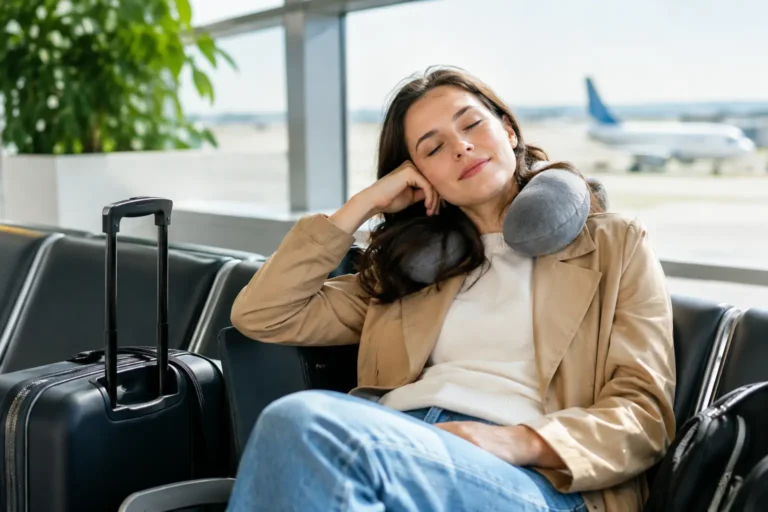
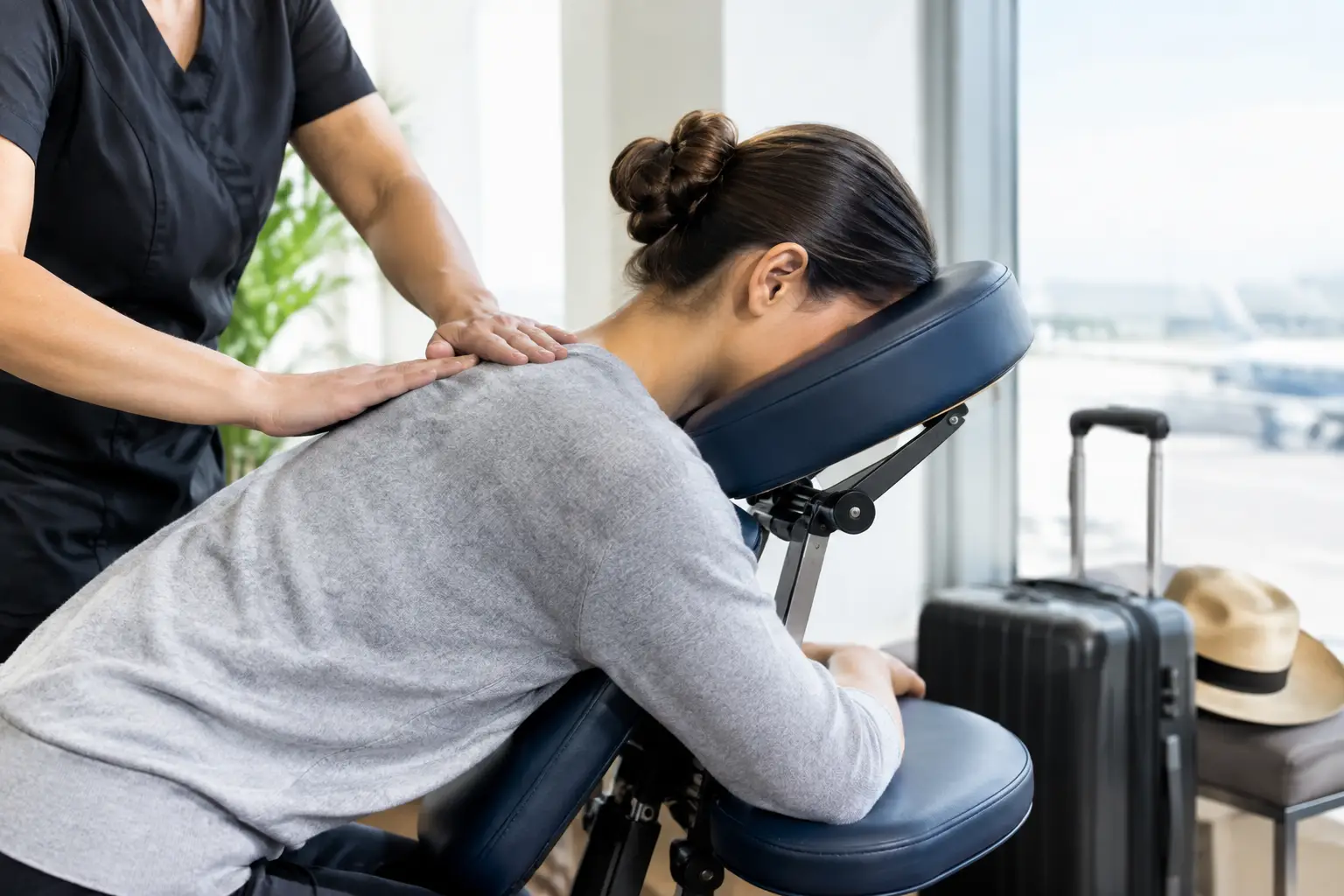
Your body may arrive before your energy does. After hours in a narrow seat, the familiar signs appear: a tight lower back, heavy legs, a stiff neck, dry skin, and a mind still moving at airport speed. A massage after a long flight can be a beautiful way to transition from travel mode into your time in Chiang Mai – provided you listen to what your body needs first.
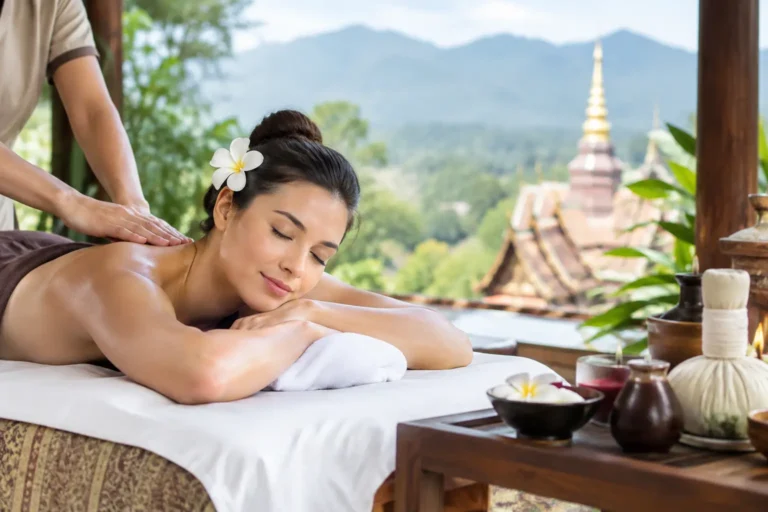
The goal is not to push through every knot as quickly as possible. It is to encourage circulation, soften travel-related tension, rehydrate, and give your nervous system a quiet place to settle. The right treatment can leave you feeling lighter and more present, whether you have just checked in, are preparing for an evening out, or need a restorative pause before exploring the city.
Why flying leaves the body feeling unsettled
Even a comfortable flight asks a great deal of the body. Sitting for long periods limits normal movement through the hips, ankles, shoulders, and spine. Cabin air is dry, sleep is often fragmented, and carrying luggage can add an unexpected strain to the neck and back. Crossing time zones may also leave you feeling both exhausted and unable to properly rest.
Legs and feet often feel the effects first. They can become swollen, achy, or unusually tired after being still for many hours. Meanwhile, the upper body may tighten as you sleep in an awkward position, work on a laptop, or brace yourself in a crowded seat. These are common travel discomforts, but they do not all call for the same kind of massage.
A thoughtful therapist will adjust pressure, pace, and technique to how you feel that day. Sometimes a deeply restorative treatment is welcome. At other times, gentle stretching, warm oils, and calm, unhurried touch are the more nourishing choice.
When is the best time for a massage after a long flight?
For most travelers, waiting until you have had water, a light meal, and a little time to freshen up is ideal. You do not need to wait until the next day, but arriving at a massage while dehydrated, very hungry, or dizzy from lack of sleep can make it harder to relax.
If you land in the morning and have a flexible schedule, consider an afternoon appointment. This gives your body time to walk a little, drink water, and adjust to being on the ground again. An evening massage can also work especially well if your main concern is jet lag. A soothing treatment followed by a quiet night may help create the conditions for deeper rest.
It depends on your energy. If you feel wired, tense, and unable to switch off, a gentler relaxation massage or aromatic oil massage may be more appropriate than strong deep-tissue work. If you feel physically compressed from travel and are already well hydrated, a focused therapeutic massage can bring welcome relief to the back, shoulders, and legs.
Start with water and a little movement
Before your appointment, drink water steadily rather than all at once. Take an easy walk, roll your shoulders, and move your ankles through a few circles. These small actions support circulation and help you notice where tension is concentrated.
Avoid a large, rich meal immediately before treatment. A light snack is usually enough if you are hungry. Comfortable clothing and a little extra time also make the experience feel less rushed. A spa visit should be part of your arrival ritual, not another item to race through.
Choosing the right treatment for travel fatigue
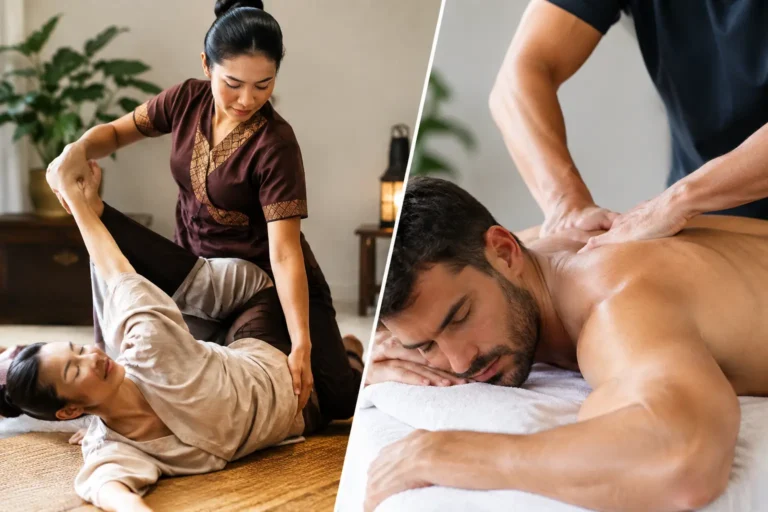
Traditional Thai massage is a particularly fitting choice for many travelers because it combines rhythmic pressure with assisted stretches. Performed in comfortable clothing, it can gently open areas that have been held still for too long, especially the hips, back, shoulders, and legs. It is often a good option when you feel stiff rather than sore.
An oil massage offers a slower, more cocooning experience. Quality oils help the skin feel cared for after dry cabin air, while flowing strokes encourage the whole body to release its travel tension. This can be a lovely choice after an overnight flight, when you want to rest without the stronger stretches of traditional Thai massage.
For persistent tightness in the shoulders, lower back, or calves, deep-tissue bodywork may be helpful. Yet more pressure is not always better after travel. Ask for a level that feels effective but still calming. A skilled therapist can work with deliberate, attentive pressure without leaving you overwhelmed or tender for the rest of your trip.
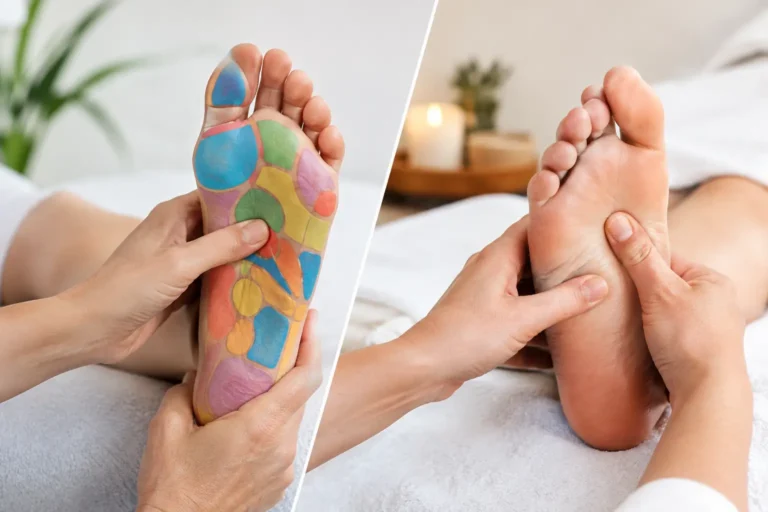
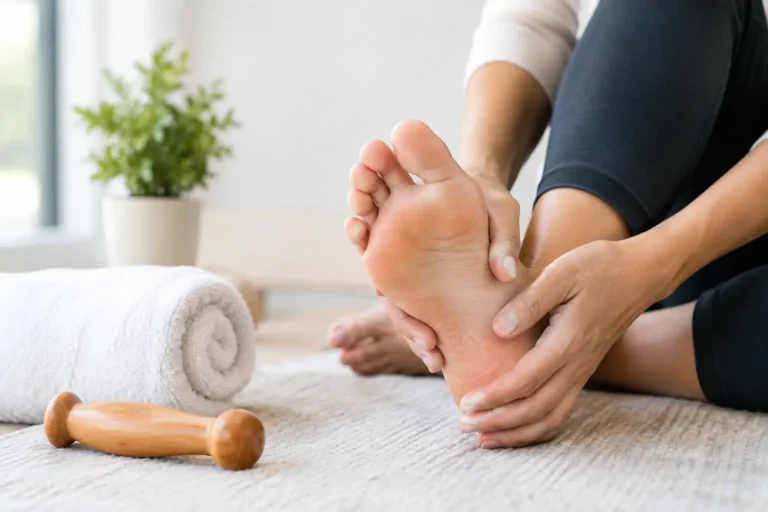
足部反射疗法 deserves special consideration after a flight. Hours in shoes and limited legroom can leave feet feeling compressed and fatigued. Focused foot and lower-leg work can feel remarkably grounding, particularly if you have spent the day walking through terminals or carrying bags. It is also an excellent choice when you have limited time but want a meaningful reset.
Consider a longer spa ritual if you have time
A long flight affects more than muscles. If travel has left your skin dull, your sleep unsettled, and your thoughts scattered, an extended spa experience can offer a more complete return to yourself. Combining massage with a body scrub, herbal steam, milk bath, or facial creates space for both physical comfort and quiet renewal.
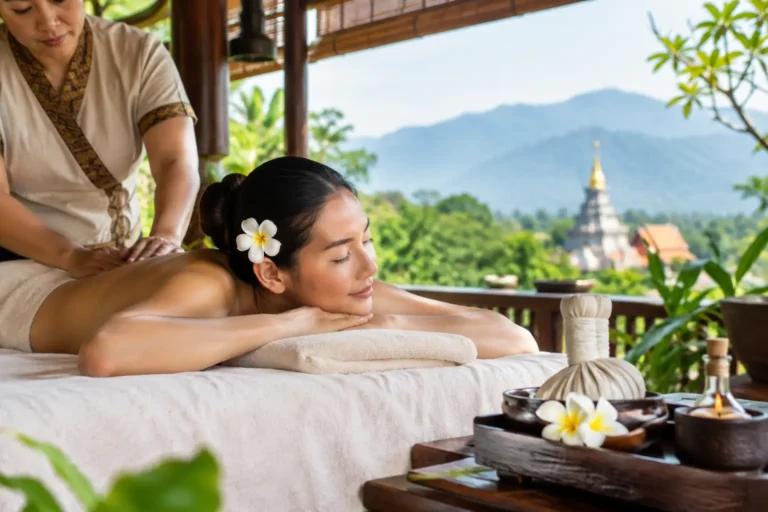
At Malinda Thai Massage, thoughtfully layered treatments can turn an arrival day into a restorative occasion, with natural products, refreshments, and a peaceful setting that invite you to slow down. The best package is not necessarily the longest one. Choose the amount of time that lets you relax without sacrificing the gentle pace you need after travel.
When to postpone massage and seek medical advice
Massage is supportive care, not a solution for every travel-related symptom. Long periods of sitting can rarely be associated with serious circulation concerns, so pay attention to how your body feels. Do not book a leg massage if you have new or significant swelling in one leg, redness, warmth, tenderness, or unexplained pain. Seek urgent medical care if these symptoms occur, especially if they are paired with chest pain, shortness of breath, fainting, or a rapid heartbeat.
It is also wise to postpone treatment if you have a fever, active illness, severe dehydration, a new injury, sunburn, or a skin irritation that could be aggravated by oils or pressure. If you are pregnant, have recently had surgery, take blood-thinning medication, or manage a health condition that affects circulation, tell the spa before booking. A qualified therapist can help guide you toward an appropriate, comfortable service or advise you to check with a medical professional first.
Clear communication matters. Let your therapist know about recent flights, areas that feel tender, old injuries, and the pressure you prefer. Speak up during the treatment as well. Comfort is not a courtesy – it is part of effective care.
Make the benefits last beyond the massage room
The calm after a massage is worth protecting. Continue drinking water through the day, choose a nourishing meal, and keep your plans light if possible. A warm shower, comfortable clothes, and an earlier bedtime can extend the sense of ease far beyond the treatment itself.
Gentle movement is also helpful. Walk around your neighborhood, stretch your calves before bed, or spend a few quiet minutes with your feet elevated. Avoid treating a massage as permission to immediately return to a packed schedule. Your body has just spent hours adapting to altitude, time changes, and stillness. Give it a little room to recover.
A massage after travel is not about erasing every effect of a flight in one hour. It is a kind welcome back to your body: a moment to breathe deeply, soften the places that have been holding on, and begin your time in Chiang Mai feeling rested enough to enjoy it.