EN
 ZH

How to Layer Spa Treatments for Lasting Relief
A beautiful spa day is not simply a matter of choosing more treatments. Knowing how to layer spa treatments helps each experience prepare you for the next, so your body feels cared for rather than overstimulated. The right sequence can soften tense muscles before massage, help body products absorb more comfortably, and leave enough quiet time for your mind to settle.
For a short visit, one focused service may be exactly what you need. But when you have time for a longer restorative ritual, thoughtful layering turns a collection of treatments into a complete body-and-mind reset.
Start with your reason for visiting
Before deciding on the order, consider what your body is asking for. A traveler who has spent days walking through Chiang Mai may need deep muscular relief and foot care. Someone coming from a demanding workweek may benefit more from slow relaxation, warm oils, and a facial that encourages stillness. If your skin feels dull or dry, a scrub or nourishing body treatment may deserve a central place in the experience.
This is why a spa consultation matters. Share whether you have sore shoulders, sensitive skin, sun exposure, recent exercise, pregnancy, allergies, or an injury. Let your therapist know whether you prefer gentle pressure, traditional Thai stretching, or deeper bodywork. A well-planned treatment sequence should fit your energy level and comfort, not follow a rigid formula.
How to layer spa treatments in the right order
In most cases, begin with warmth and cleansing, move into exfoliation and massage, then finish with quieter skin or beauty care. This progression follows the body’s natural response: first it softens, then releases, then rests.
Begin with a warm welcome for the body
A milk bath, herbal soak, steam, or warm shower can be a lovely first step when available. Gentle heat encourages muscles to loosen and gives you a moment to transition away from a busy day. It can be especially comforting before traditional Thai massage or deep-tissue work, when the goal is to ease guarded areas rather than push against them.
Heat is not right for everyone. If you feel dehydrated, have very sensitive skin, are prone to dizziness, or have been in strong sun, a cooler, quieter start may be wiser. A good therapist will help you choose what feels restorative rather than draining.
Follow warmth with a body scrub when your skin needs renewal
A body scrub generally belongs before massage. Exfoliation lifts away dry surface skin and leaves the body smooth, so nourishing oils and lotions can be applied more evenly afterward. The ritual also feels wonderfully refreshing after travel, time outdoors, or long days in air-conditioned rooms.
Ask for a gentler approach if your skin is sensitive, freshly shaved, sunburned, or irritated. A scrub should leave your skin soft and comfortable, never raw. If you have had a strong exfoliating facial treatment recently, it can also be kinder to choose moisturizing body care instead of more intensive polishing.
Let massage be the heart of the ritual
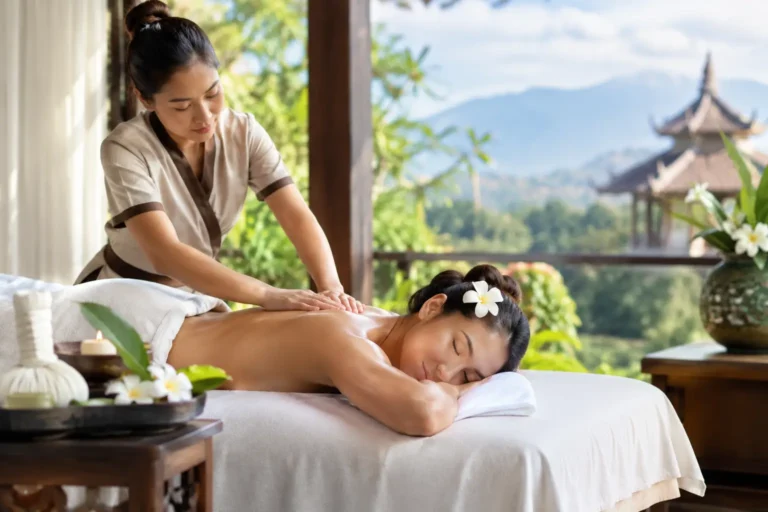
After warmth or exfoliation, massage is often the natural center of a layered spa experience. By this stage, the body is cleaner, warmer, and more ready to receive therapeutic touch. Quality oils can support a slow, calming relaxation massage, while Thai massage and deep-tissue techniques can focus more directly on stiffness in the back, legs, neck, and shoulders.
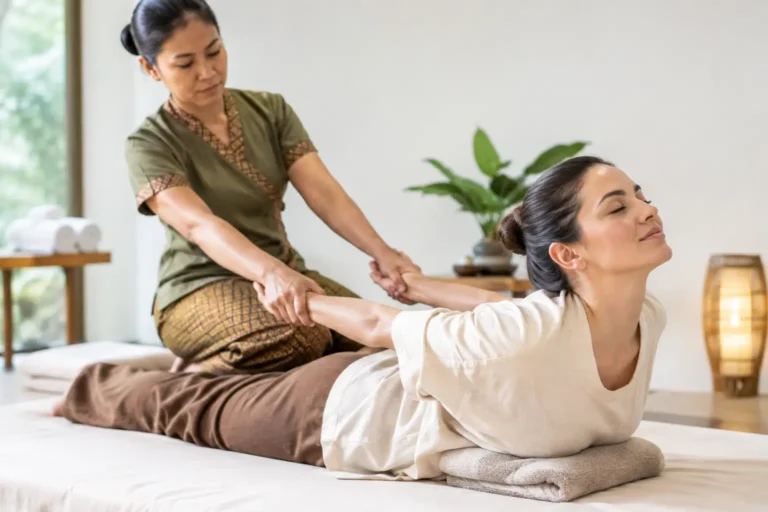
The best massage style depends on your goal. Traditional Thai massage uses assisted stretches and rhythmic pressure to create a feeling of openness and renewed mobility. Deep-tissue bodywork may be helpful for persistent tightness, though it can be intense and is not always the best choice when you are fatigued, jet-lagged, or simply craving rest. An oil massage is often the more soothing choice after a scrub, especially when you want to leave feeling nourished from head to toe.
Do not assume that more pressure means better results. Muscles respond well to skilled, appropriate pressure and enough time to relax. If a technique feels sharp, uncomfortable, or too strong, say so at once. Your treatment should feel personalized throughout.
Add foot reflexology with intention
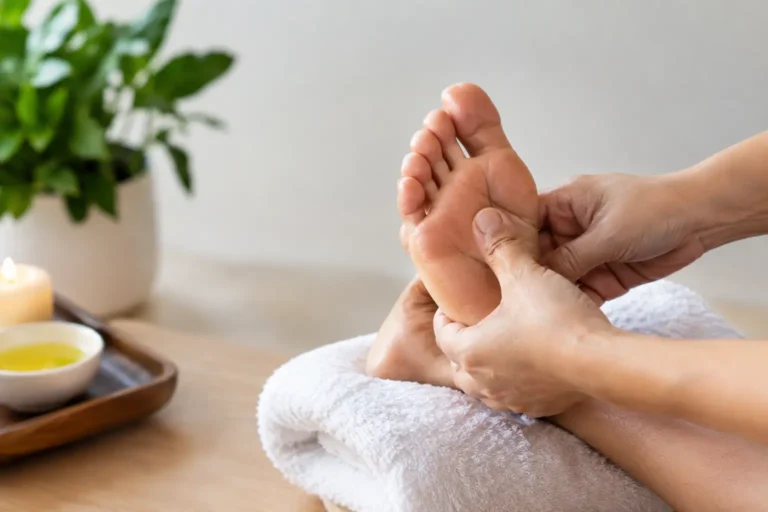
Foot reflexology can work beautifully before or after a full-body massage. Beforehand, it may help you settle into the treatment and ease tired feet after sightseeing, shopping, or a day on the move. Afterward, it can feel like a focused final touch, particularly if your legs and feet carry most of your daily tension.
If you are short on time, foot reflexology and a shoulder massage can also make a meaningful standalone pairing. It provides targeted comfort without asking your body to stay on the table for several hours.
Save facials and targeted skin treatments for the quiet finish
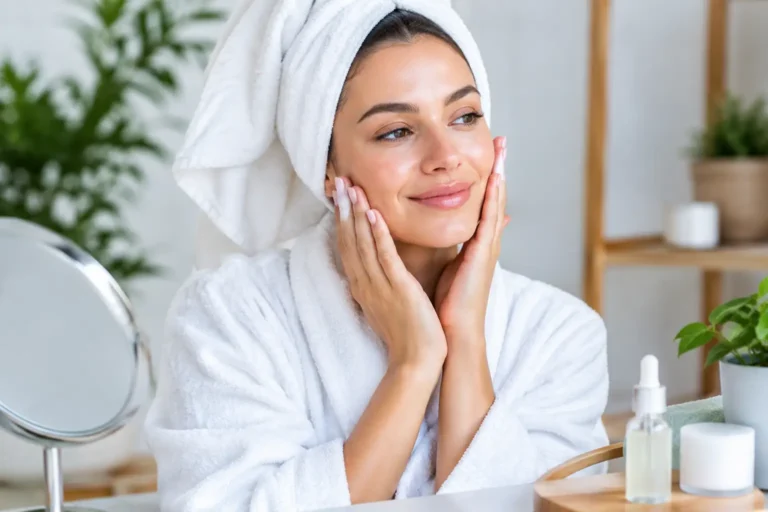
A facial is usually best near the end of the visit, once the more active body treatments are complete. After massage, your nervous system is calmer, and you can rest while your skin receives focused attention. Cleansing, gentle exfoliation, hydration, masks, and facial massage create a softer ending that feels unhurried and cared for.
There is one practical consideration: if you receive a facial before a full-body massage, lying face-down can disturb freshly applied products. For that reason, ending with facial care is often more comfortable. If you want both a facial and intensive scalp, back, or neck work, mention it during your consultation so your therapist can adapt the sequence.
Choose a pace that supports relaxation
Layering works best when there is room to breathe between services. Rushing from steam to scrub to deep pressure to facial can make even a luxurious package feel like a checklist. A few quiet moments, a warm shower when appropriate, and a glass of water or herbal tea allow the body to absorb the experience.
For a two-hour visit, a scrub followed by an oil massage is a balanced and effective combination. With three hours or more, you might add a bath or steam experience at the beginning and a facial at the end. A longer package can be deeply restorative, but it should still match your capacity that day. If you are arriving exhausted after a flight, a gentle massage and facial may be more beneficial than combining every intensive service available.
At Malinda Thai Massage, thoughtfully combined spa rituals can bring together traditional Thai healing, natural oils, skin care, and peaceful rest without losing sight of what you came for: genuine comfort.
Care for the results after your appointment
Drink water after massage, particularly after deeper work, and avoid scheduling strenuous exercise immediately afterward if your muscles feel tender. Give oils and body lotions time to nourish the skin before taking another shower. If you have had a facial, follow your therapist’s advice about makeup, sun exposure, and active skin-care products for the rest of the day.
It also helps to leave a little space in your schedule. A spa ritual has a different effect when you return straight to traffic, meetings, or a long night out. Even a quiet meal, an early evening, or a slow walk can extend the sense of ease.
The most memorable spa days are not necessarily the longest ones. They are the ones that honor where your body is now, then guide it gently toward warmth, comfort, and renewed energy.