EN
 ZH
Deep Tissue Versus Sports Massage Compared
That knot between your shoulder blades after a long flight needs something different from legs that feel heavy before a hike. In the choice between deep tissue versus sports massage, the best treatment is not simply the one with the strongest pressure. It is the one that meets your body where it is today – tired, tense, active, recovering, or in need of a slower reset.
Both treatments can ease discomfort and leave you feeling lighter, but they begin with different intentions. Deep tissue massage focuses on persistent muscular tightness. Sports massage is shaped around movement, activity, and recovery. Knowing the distinction can help you choose a session that feels restorative rather than overwhelming.
What Deep Tissue Massage Is Designed to Do
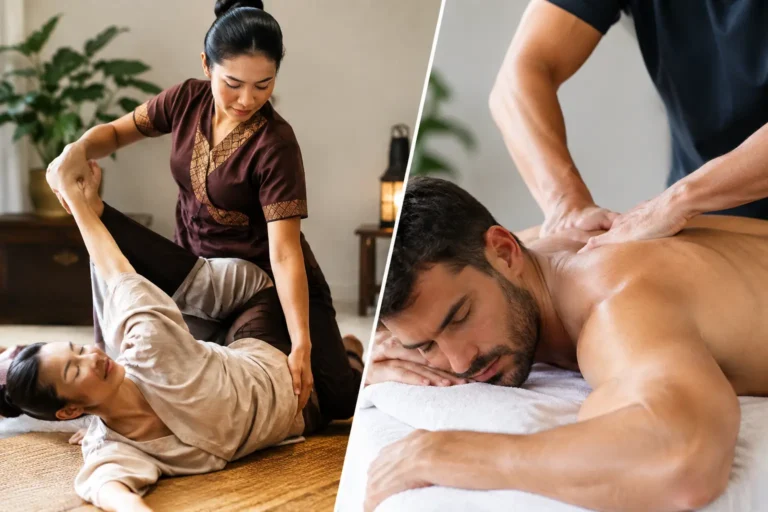
Deep tissue massage uses slow, deliberate strokes and focused pressure to work through areas of lasting tension. A therapist may use hands, thumbs, forearms, or elbows to address tightness in the deeper muscles and connective tissues. The work is often concentrated on a few areas, such as the neck and shoulders after desk work, the lower back after travel, or the hips and legs after days of walking around Chiang Mai.
The goal is not to force the body to release. It is to encourage muscles that have been holding on for too long to soften gradually. This is why a thoughtful deep tissue session often feels slower than guests expect. The therapist listens to the tissue, checks in about pressure, and allows time for each area to respond.
Deep pressure can be satisfying, but intensity is not a measure of quality. Sharp pain, holding your breath, or bracing against the table are signs that the pressure should be adjusted. Productive bodywork may feel tender at moments, yet you should still feel safe, supported, and able to relax into the treatment.
Deep tissue massage is often a lovely choice when tension has built over weeks or months. It can suit professionals who sit for long hours, travelers carrying bags and sleeping in unfamiliar beds, or anyone who notices one area repeatedly feels tight and restricted.
How Sports Massage Supports an Active Body
Sports massage is not reserved for competitive athletes. It is a flexible treatment for anyone whose body is preparing for, participating in, or recovering from physical activity. That could mean training for a race, spending a day cycling, returning to the gym, practicing yoga, or exploring temples and mountain trails on vacation.
What makes it a sports massage is its purpose and timing. Before an activity, the work may be lighter, quicker, and more stimulating, helping the body feel warm and mobile without leaving it deeply relaxed or sore. After activity, the session may use slower techniques to settle tired muscles, support circulation, and encourage a calmer recovery.
A sports-focused session can also include stretching, mobility work, and attention to the movement patterns most relevant to your activity. A runner may want care for calves, hips, and hamstrings. A swimmer may need more attention around the shoulders and upper back. Someone who has been sightseeing on foot may benefit from work on the feet, lower legs, and lower back.
Pressure varies widely in sports massage. Some sessions are firm and targeted, while others are gentle and restorative. This makes it especially useful for people who want massage to fit around an active schedule rather than follow a single set formula.
Deep Tissue Versus Sports Massage: The Practical Difference
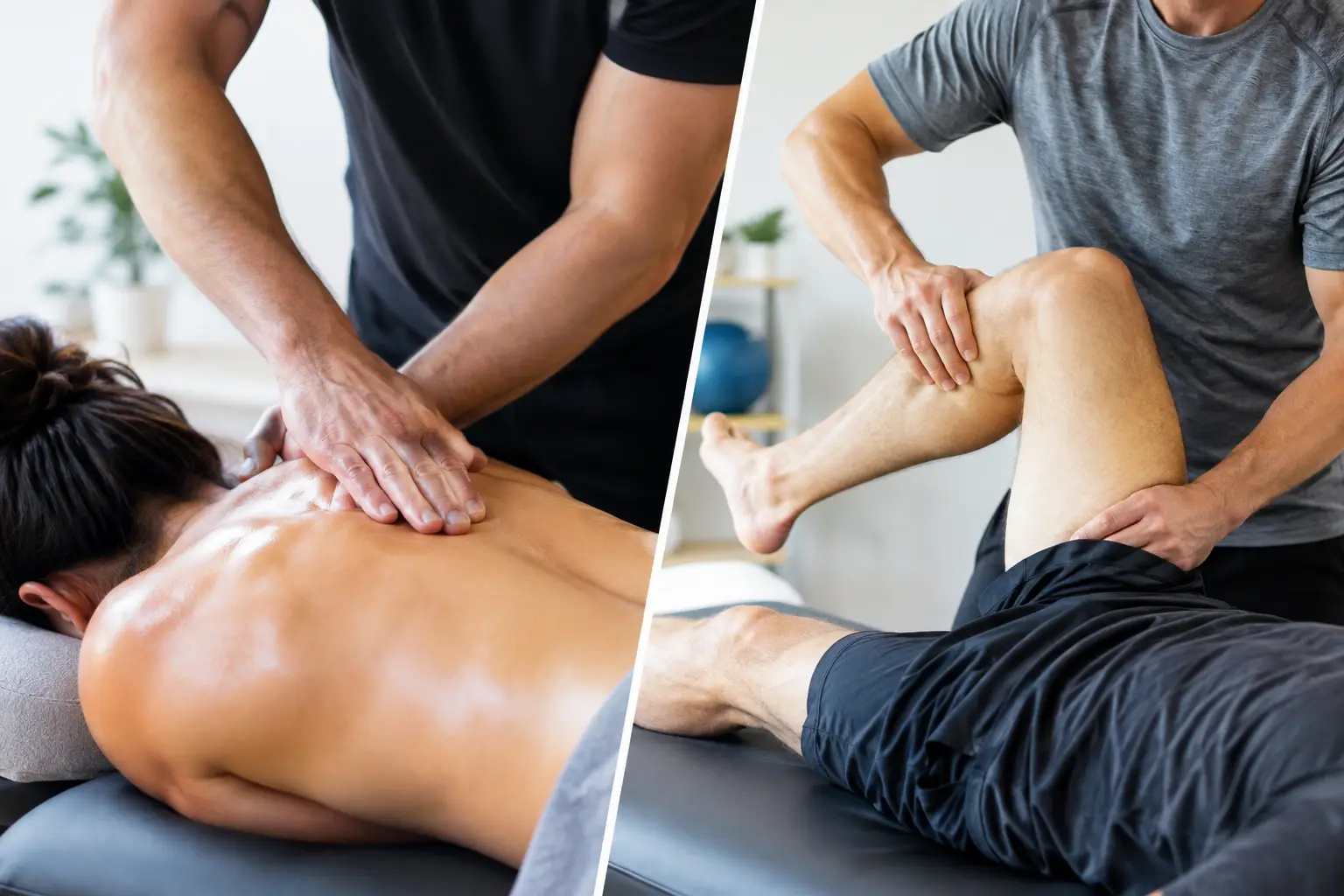
The two treatments can overlap. A sports massage may include deep tissue techniques when a specific muscle group is tight. A deep tissue massage may support an active guest who needs relief after exercise. The clearest difference is the question guiding the session.
Deep tissue massage asks, “Where is tension lingering, and how can we help it release?” Sports massage asks, “What is your body doing, and what does it need before or after that activity?”
If your concern is a stubborn, familiar knot from work, travel, or everyday posture, deep tissue massage is usually the more direct choice. If you are planning an active day, preparing for an event, or feeling the effects of a recent workout, sports massage may be more appropriate.
Timing matters. A very deep session the day before a demanding race, hike, or workout may leave muscles feeling tender when you want them to feel fresh. In that situation, a lighter sports massage is often the wiser option. On the other hand, after a period of activity has ended, deeper work may feel welcome as part of a slower recovery day.
What Each Treatment Feels Like
A deep tissue session often has a quiet, grounded rhythm. The therapist may spend several minutes on one area, using gradual pressure and long strokes with quality oil to help the body settle. You may notice tenderness during the session and a pleasantly worked feeling afterward. Some people feel immediate ease; others notice the full effect after resting and drinking water.
Sports massage can feel more varied. It may move between broad warming strokes, focused muscle work, stretching, and attention to the areas involved in your chosen activity. The pace can be more energizing before movement and more soothing after it. A good therapist will adapt the treatment to your plans for the rest of the day.
Neither experience needs to be punishing. Massage is most beneficial when it respects your comfort, your energy level, and your reason for being on the table.
Where Traditional Thai Bodywork Fits In
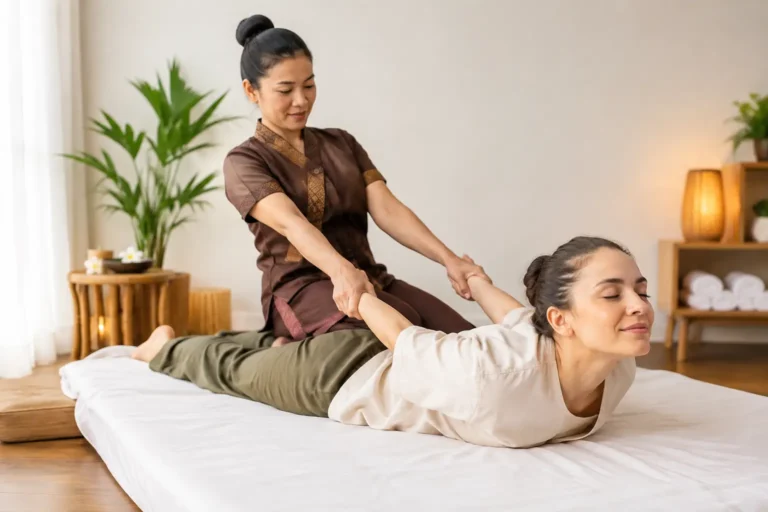
Traditional Thai massage offers another helpful option, particularly for guests who feel stiff, compressed, or in need of full-body movement. Rather than relying only on oil and gliding strokes, Thai bodywork often combines rhythmic pressure, assisted stretches, and gentle joint movement. It can be deeply relaxing while helping the body feel more open and mobile.
For some guests, the ideal experience is not an either-or choice. A therapist may blend focused work for the shoulders or hips with stretching that restores ease through the whole body. At Malinda Thai Massage, this personalized approach can turn a single treatment into a more complete pause – one supported by calming surroundings, natural oils, and time to simply rest afterward.
If you prefer oil massage and quiet, sustained work on a specific problem area, deep tissue may be the better fit. If stretching sounds inviting, Thai massage can complement an active lifestyle beautifully. Share what feels restricted, what activities you have planned, and whether you want to feel deeply relaxed or ready to move.
When to Choose a Gentler Approach
Massage should support wellness, not push through a problem that needs medical attention. Tell your therapist about recent injuries, swelling, bruising, numbness, varicose veins, pregnancy, surgery, blood-thinning medication, or any health condition that may affect treatment. If you have severe or unexplained pain, a fever, or a fresh injury, seek advice from an appropriate medical professional before booking deep work.
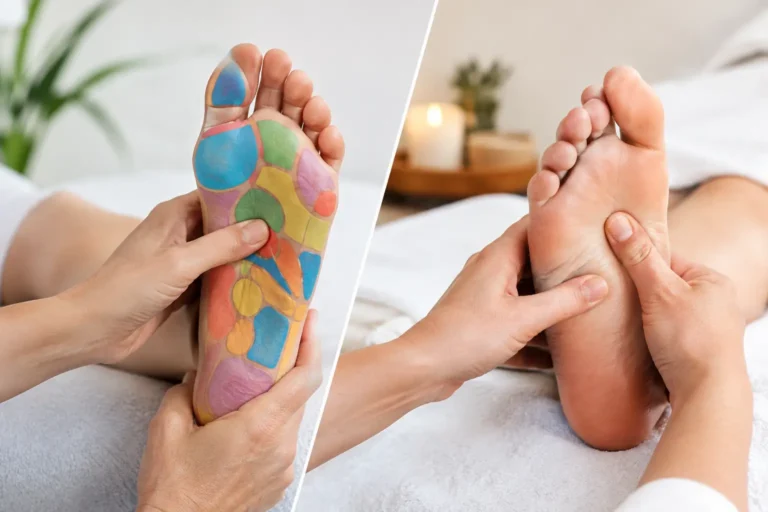
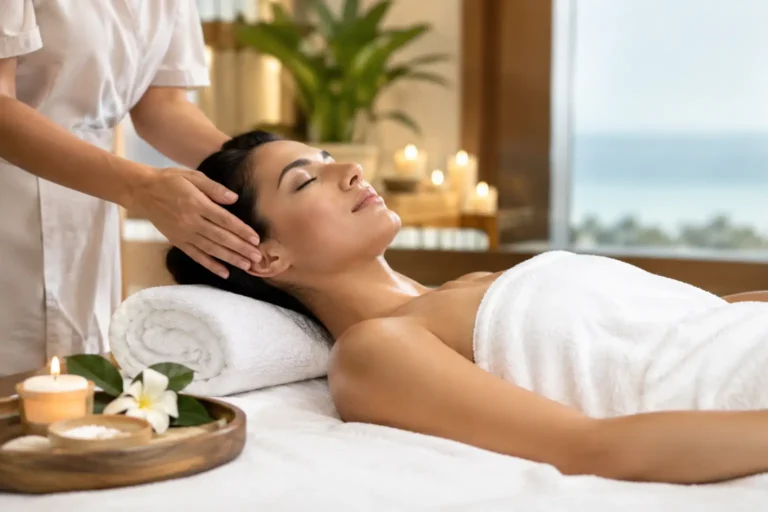
It is also perfectly reasonable to choose a gentler massage when you are depleted. After a long flight, poor sleep, or several busy travel days, your nervous system may respond better to soothing relaxation massage, a warm herbal treatment, or foot reflexology than to intense pressure. Rest is not a lesser option. Sometimes it is exactly what allows the body to recover.
How to Get More From Your Session
A few honest details before the massage can make a meaningful difference. Let your therapist know where you feel tension, what activity you have recently done, and what you hope to feel afterward. Mention whether you enjoy firm pressure, whether you are sensitive in a particular area, and if you have plans to exercise later that day.
After deeper bodywork, give yourself a little space. Drink water, eat something nourishing, and avoid treating the session as a test of how much intensity you can tolerate. A quiet walk, a warm shower, or an unhurried cup of tea can help extend the sense of ease.
Choose deep tissue massage when persistent tension needs patient attention. Choose sports massage when your treatment should serve your movement and recovery. Most of all, choose the experience that lets your body leave feeling cared for, not conquered.