EN
 ZH
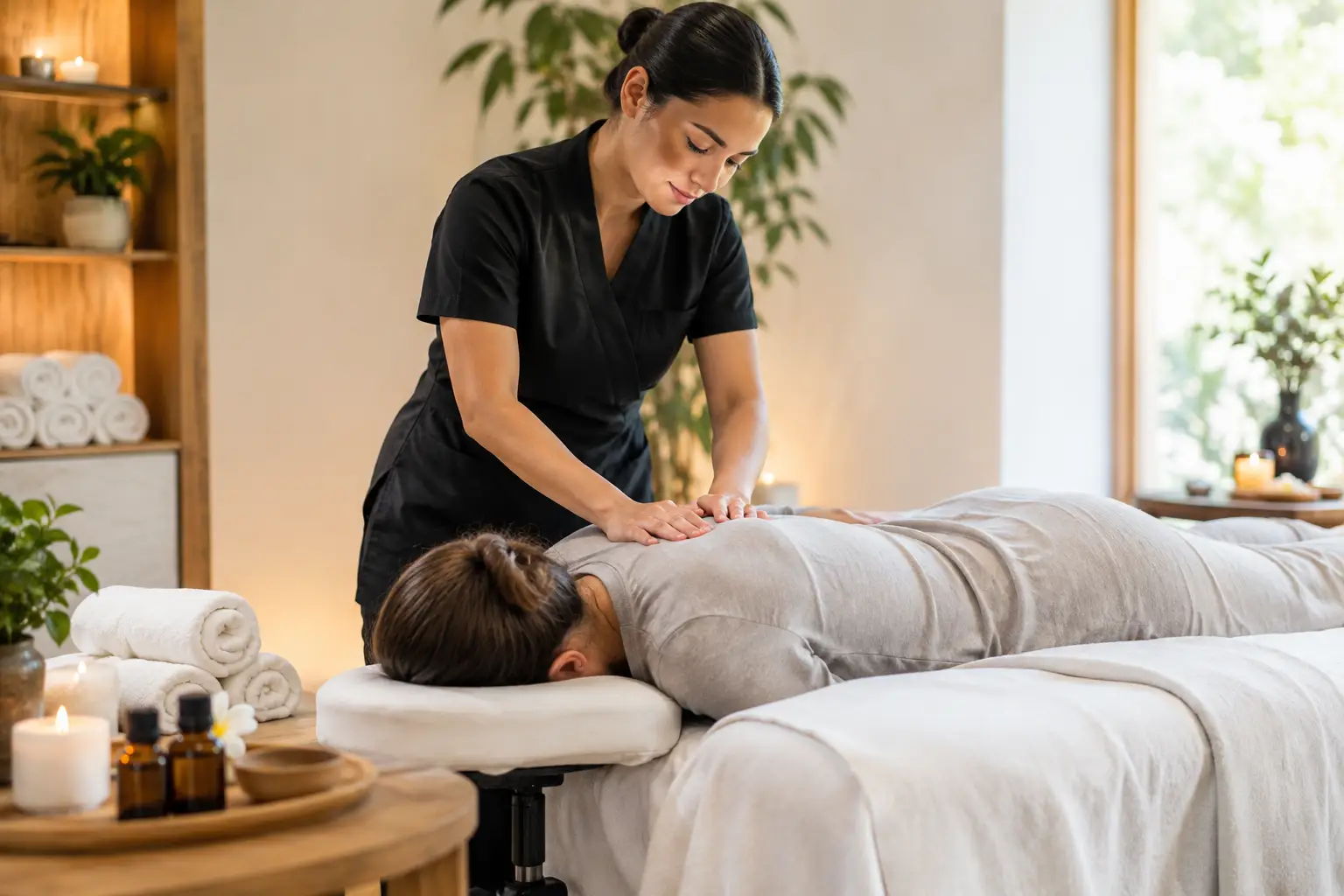
Tension Relief Massage for a Rested Body
Your shoulders may start the day relaxed, then slowly rise toward your ears through airport transfers, long walks, laptop work, and one too many hurried meals. A tension relief massage creates a pause for the body to let go of that accumulated effort – not by rushing through sore areas, but by giving them attentive, skillful care.
Tension is not always dramatic. It can feel like a dull pull between the shoulder blades, a stiff neck when you turn your head, heavy legs after exploring Chiang Mai, or a mind that stays busy long after the day has ended. The right massage experience meets that feeling with both therapeutic focus and genuine comfort.
What tension relief massage is designed to do
A tension relief massage is a personalized treatment intended to ease muscular tightness while inviting the nervous system to settle. It may combine unhurried pressure, stretching, kneading, and targeted work on areas that carry the most strain. Rather than treating the body as a collection of separate aches, it recognizes how tension can travel: tight hips can affect the lower back, tired feet can change the way you stand, and a busy mind can show up in the jaw and shoulders.
For many guests, the goal is simple: to feel more comfortable in their own body. That may mean moving with greater ease after a long flight, releasing the firmness that follows an active day, or taking a restorative break from a demanding work schedule.
The experience is also about the setting. Soft light, a peaceful treatment room, quality oils, and time to rest afterward can change a massage from a quick appointment into a fuller act of care. When the body no longer feels rushed, it often responds more readily to touch.
Why tension builds in the first place
Muscle tension is often the body’s quiet response to repetition. Sitting for hours, carrying a bag on one shoulder, looking down at a phone, training hard, sleeping in an unfamiliar bed, or walking farther than usual can all leave muscles feeling guarded. Travel adds its own combination of dehydration, disrupted sleep, and the pressure to make the most of every day.
Emotional stress plays a part as well. When life feels demanding, many people unconsciously brace their shoulders, tighten their hands, or hold their breath. Massage cannot remove every source of stress, but it can offer a physical counterpoint: a period of stillness where the body receives permission to soften.
This is why a gentle relaxation massage may be ideal for one person, while another benefits from deeper, more focused work. Comfort and results are not determined by pressure alone. The most restorative session is usually the one that respects both your tension level and your preference for touch.
Choosing the right style of tension relief massage
Traditional Thai massage for movement and release
Traditional Thai massage is especially suited to guests who feel stiff, compressed, or restricted after travel and activity. Performed through comfortable clothing, it uses assisted stretches, rhythmic pressure, and deliberate movement to help the body feel more open. It can be a wonderful choice for tight hips, legs, and backs, particularly if you enjoy an active style of bodywork.
Because Thai massage includes stretching, speak up about any sensitive areas, recent strains, or movements that do not feel comfortable. A thoughtful therapist can adapt the session so it feels supportive rather than overwhelming.
Deep-tissue bodywork for persistent tightness
Deep-tissue massage uses slower, more concentrated pressure to address areas of lasting muscular tightness. It is often chosen by active travelers, desk-based professionals, and guests who notice a recurring knot in the shoulders, back, or legs.
Deeper does not have to mean painful. Some tenderness during focused work can be normal, but sharp discomfort, holding your breath, or tensing further is a sign to ask for an adjustment. Effective bodywork should leave you feeling cared for, not as though you had to endure the treatment.
Oil massage for a quieter kind of restoration
An oil massage brings warmth, fluid movement, and nourishing contact to the experience. The long, flowing strokes can be particularly welcome when you feel overstimulated as well as physically tired. Natural oils and lotions help the therapist work smoothly while adding a gentle sensory ritual to the treatment.
This style is often a lovely fit for guests who want to relax deeply without intensive stretching. It can also be paired with focused attention on the neck, shoulders, lower back, or calves, depending on where the day has settled in your body.
Foot reflexology for tired travelers
Feet quietly carry the weight of every itinerary. Foot reflexology and foot massage can ease the fatigue that follows long days of walking, standing, or sightseeing. The treatment can feel deeply grounding, especially when the legs and feet are heavy but the rest of the body does not require a full massage.
For a more complete reset, foot care can be combined with a longer body treatment. The result is not simply relief for tired soles, but a feeling of being restored from the ground up.
How to get more from your treatment
A little communication helps turn a pleasant massage into one that truly serves you. Before the session begins, share what has been bothering you, whether that is upper-back tightness, sore calves, a headache-prone neck, or general fatigue. Mention your desired pressure, too. There is no prize for choosing more intensity than your body wants.
Arriving a few minutes early gives you space to shift out of the pace of the street and into the quieter rhythm of the spa. Take a few slow breaths, put your phone away, and let the treatment begin without needing to perform relaxation. Some people talk during massage; others prefer silence. Both are welcome, as long as you feel at ease.
Afterward, avoid rushing straight into another demanding activity if you can. Drink water, enjoy a light refreshment, and give yourself a few moments to notice how your body feels. A warm shower later in the day and a gentle walk can help you continue the sense of ease. If deeper work has left you tender, choose a calm evening rather than an intense workout.
When a spa ritual adds something more
Sometimes massage is exactly what you need. Other times, the body is asking for a longer reset. A body scrub, herbal treatment, steam, milk bath, or facial can extend the feeling of renewal by slowing the experience down and caring for more than tired muscles alone.
This is where an extended spa package can be particularly meaningful. Instead of squeezing relief into a single hour, you can move through treatments at an unhurried pace, with time for warmth, hydration, and rest. At Malinda Thai Massage, these thoughtfully combined experiences are designed to feel like a complete retreat from the demands of travel or daily life, not simply a series of services.
There is a practical side to this choice as well. If your concerns are mostly in one area, a focused massage may be the best use of your time. If you feel depleted all over, a longer ritual can provide the space to settle more fully. Neither option is better in every situation; it depends on what your body is asking for that day.
A few moments when massage should wait
Massage is a supportive wellness practice, but it is not the answer for every kind of pain. Postpone your treatment and seek appropriate medical guidance if you have a fever, a contagious skin condition, a new unexplained injury, severe swelling, or sudden pain. Guests who are pregnant, recovering from surgery, managing circulation concerns, or living with a medical condition should let the spa know before booking so the treatment can be adapted safely.
Honest information helps your therapist care for you well. It is not a disruption to mention a concern; it is part of creating a treatment that feels both relaxing and responsible.
A tension relief massage works best when it becomes a small promise to yourself: you do not have to wait until discomfort becomes overwhelming before you rest. Make room for the hour, breathe more slowly than usual, and let your body remember what ease feels like.