EN
 ZH

Massage Therapy for Deep Rest and Lasting Relief
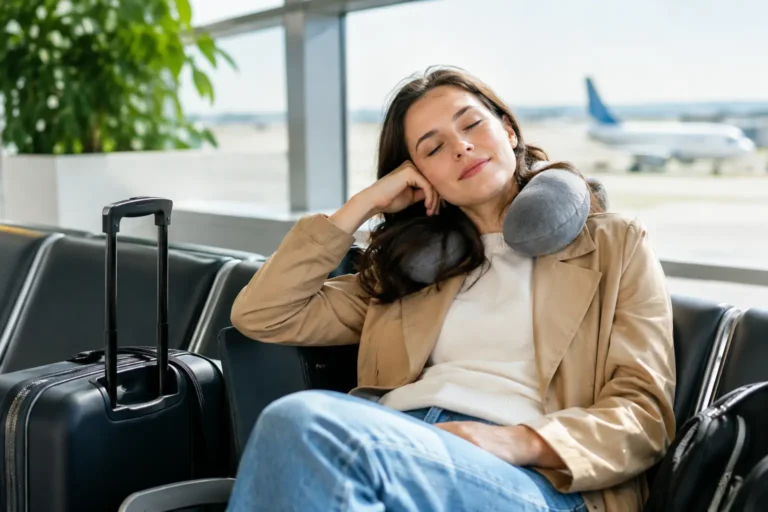
A day of walking Chiang Mai’s streets, hours spent at a laptop, a long flight, or a demanding training routine can leave the body feeling heavy in ways sleep alone does not always resolve. Massage therapy creates dedicated time to slow down, soften held tension, and return attention to how your body feels. Done thoughtfully, it is more than a pleasant pause. It is a restorative practice that can help you feel more comfortable, grounded, and ready for what comes next.
What Massage Therapy Can Offer
The benefits of a massage often begin with the most immediate sensation: warmth returning to tired muscles, shoulders dropping away from the ears, and a quieter rhythm in the mind. Yet the value can continue well beyond the treatment room. Many guests find that regular massage supports a greater sense of ease in their everyday movement, especially when work, travel, or exercise creates recurring stiffness.
Massage is also an invitation to rest without needing to perform, plan, or rush. In a peaceful setting, with skilled hands, quality oils, and time set aside just for you, the nervous system has room to settle. That shift matters for people who spend much of the day moving between responsibilities or screens.
Results are personal. One guest may seek relief from tight calves after sightseeing, while another wants a gentler experience that helps them decompress after a stressful week. A massage should meet the body where it is, rather than force every guest into the same pressure or pace.
Choosing the Right Massage Therapy Experience
The most satisfying treatment starts with an honest sense of what you need that day. There is no single best massage style. The right choice depends on your energy level, areas of discomfort, preference for pressure, and how much time you have to restore.
Traditional Thai massage for movement and renewal
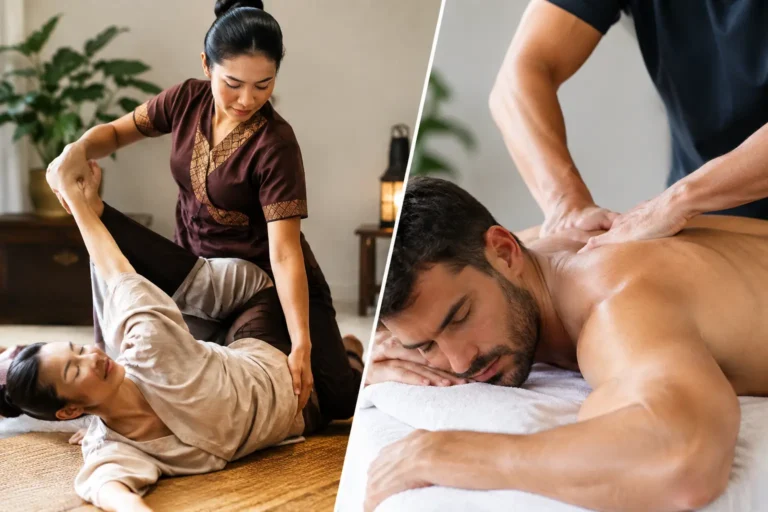
Traditional Thai massage is performed with a rhythmic combination of pressure, assisted stretching, and mindful movement. It can be especially appealing after travel or long periods of sitting, when the body feels compressed and less mobile. Rather than focusing only on one sore spot, this style treats the body as an interconnected whole.
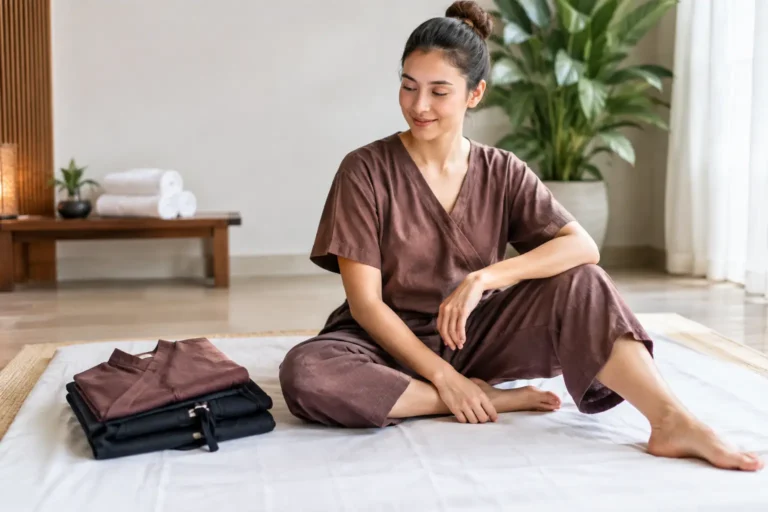
You may remain comfortably dressed in loose clothing, depending on the treatment. The therapist may guide your arms, legs, and torso through gentle stretches while applying pressure along areas that feel tight. Communication is welcome throughout. A stretch should feel opening and supportive, not sharp or overwhelming.
Deep-tissue work for persistent tightness
Deep-tissue massage uses slower, more focused pressure to address areas that feel particularly dense or overworked. It is often chosen by active guests, professionals with desk-related shoulder tension, and travelers carrying a heavy backpack or suitcase.
Deep pressure does not need to mean painful pressure. Effective bodywork is attentive, gradual, and responsive. Let your therapist know if the intensity feels too strong, if you would like more attention on a particular area, or if you prefer a softer approach. A little tenderness afterward can happen, particularly if muscles have been working hard, but you should leave feeling cared for rather than depleted.
Oil massage for calm and comfort
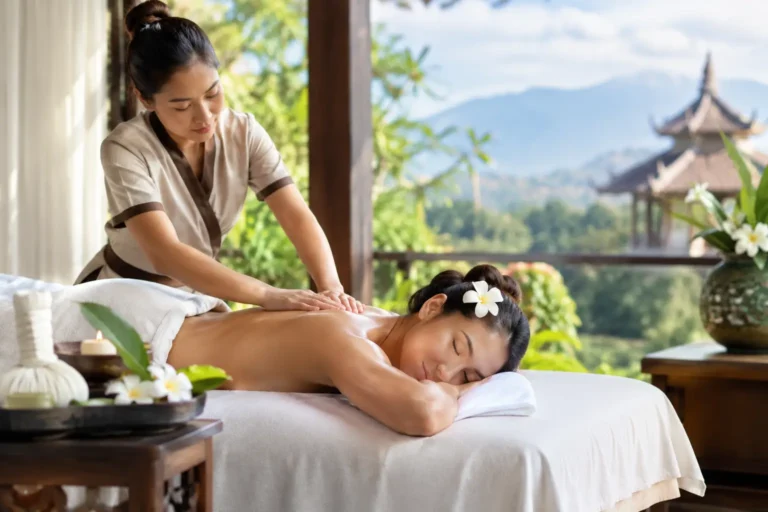
For guests seeking a deeply relaxing reset, an oil massage offers flowing strokes and a soothing sense of warmth. Natural oils and lotions nourish the skin while helping hands move smoothly across the body. This is a lovely choice when your goal is not simply to address tension, but to settle into unhurried rest.
The atmosphere matters here. Soft light, a tranquil room, and a few quiet moments after the treatment can make a familiar massage feel like a complete change of pace. It is an ideal counterbalance to busy itineraries and packed schedules.
Foot reflexology for weary travelers
Feet do a remarkable amount of work, especially during a trip. Foot reflexology combines focused pressure with a comforting foot and lower-leg massage, helping soothe the fatigue that builds after walking, standing, or wearing unfamiliar shoes. It can be a satisfying shorter treatment on its own or a thoughtful addition to a longer spa visit.
A Spa Ritual Can Deepen the Reset
A massage is powerful on its own, but a longer ritual can make restoration feel more complete. Pairing bodywork with a body scrub, herbal steam, milk bath, facial, or other skin treatment gives both body and mind more time to transition out of a hurried state.
This is not simply about adding more treatments. Each element creates a different kind of care. A scrub refreshes the skin and leaves it smooth to the touch. Steam brings gentle warmth that can feel especially comforting before massage. A facial offers quiet, attentive care for skin that may be tired from sun, flights, or city air. Refreshments afterward give you a moment to re-enter the day gradually rather than rushing straight back to your next plan.
At Malinda Thai Massage, package experiences are designed around this sense of continuity, combining therapeutic bodywork with spa rituals in one peaceful visit. For a guest with only an hour, a focused massage may be exactly right. For someone craving a true pause from the pace of travel or work, a longer Silver, Gold, or Platinum-style experience can provide the space to fully unwind.
How to Prepare for a Better Treatment
You do not need to do much before a massage, but a few simple choices can make the experience more comfortable. Arrive with enough time to settle in rather than racing through the door. Drink water during the day, particularly in Chiang Mai’s warm climate, and avoid a very heavy meal immediately before your appointment.
At the beginning of your treatment, share what will help your therapist care for you well. Mention recent soreness, sensitive areas, old injuries, pregnancy, skin sensitivities, or anything that affects your comfort. You can also describe the outcome you want: lighter legs, calmer shoulders, less tension through the back, or simply a chance to sleep more deeply that evening.
During the massage, speak up as needed. A good treatment is collaborative. Request more or less pressure, an adjustment to the temperature, or extra focus on an area that needs attention. There is no need to endure discomfort in silence in the belief that it is necessary for results.
When a Gentler Approach Is Best
Massage therapy is adaptable, but there are times to postpone a treatment or choose a lighter style. If you have a fever, contagious illness, a new or unexplained injury, severe swelling, an open wound, or significant sunburn, give your body time and seek appropriate medical advice when needed. If you are managing a health condition or have recently had surgery, check with a qualified healthcare professional before booking deep work.
Even on an ordinary day, gentler can be better. After a long flight, your body may want calming oil massage rather than intense stretching. After a difficult workout, focused work can feel helpful, but very deep pressure may not be the answer if you are already sore. Listening to your body is part of the treatment.
Let the Benefits Last Beyond the Massage Room
Afterward, move slowly for a few minutes. Enjoy a cup of tea or water, take a short walk, and give yourself permission not to fill every quiet moment. If possible, avoid immediately returning to strenuous exercise or a crowded schedule. Your body has just been given an opportunity to settle, and a little spaciousness helps preserve that feeling.
Massage works beautifully as an occasional treat, but it can also become a steady part of a balanced wellness routine. Some people book when tension begins to build; others plan a treatment after travel, demanding work periods, or active weekends. The best rhythm is the one that feels sustainable and genuinely supportive for you.
Make room for the kind of care that leaves you feeling present in your own body. Whether you choose a focused session for tired muscles or an extended spa ritual for deeper renewal, the most meaningful result is often simple: you leave with a little more ease than you arrived with.