EN
 ZH
Can Thai Massage for Back Pain Bring Relief?
A long flight into Chiang Mai, a day spent looking down at a phone, or hours at a desk can leave the back feeling less like a source of support and more like a quiet, persistent complaint. Thai massage for back pain can be a deeply comforting way to address the muscular tension behind that feeling – particularly when stiffness, fatigue, and restricted movement are part of the picture.
It is not a cure for every kind of back pain, and it should never replace medical assessment when pain is severe or concerning. Yet for many people, a thoughtful session can soften guarded muscles, encourage easier movement, and create the kind of full-body calm that makes everyday discomfort feel more manageable.
Why back pain often feels like more than a back problem
The back rarely works alone. Tight hips can change the way the lower back carries weight. Long periods of sitting can leave the hip flexors shortened and the glutes less active. Tension through the shoulders, neck, and chest may encourage the upper back to round forward. Add poor sleep, travel fatigue, stress, or a demanding workout, and the body may begin to hold tension in several places at once.
This is why a back massage that focuses only on the painful spot may feel pleasant but incomplete. Traditional Thai bodywork takes a broader view. The therapist may work with the legs, hips, glutes, abdomen, shoulders, and upper body as well as the back, using a sequence designed to help the body release connected patterns of tightness.
For guests who have spent a day walking Chiang Mai’s markets, carrying a backpack, or working remotely from a café, this whole-body approach can be especially welcome. The goal is not to force the body into flexibility. It is to invite more space, ease, and balance back into it.
How Thai massage for back pain works
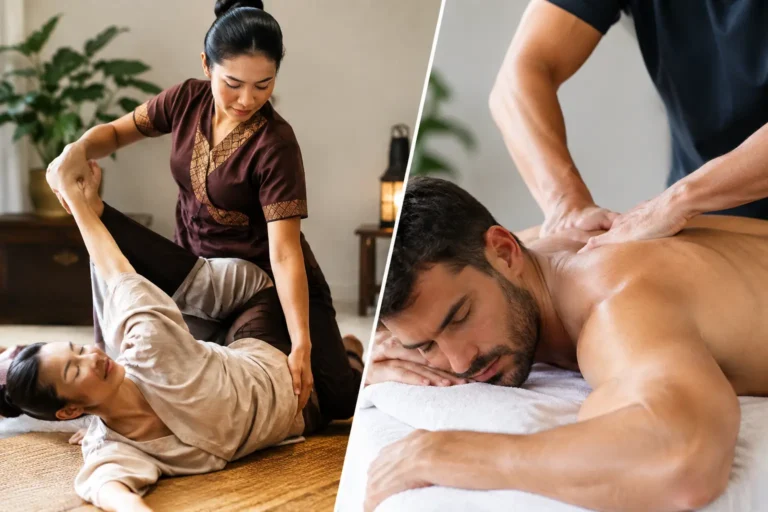
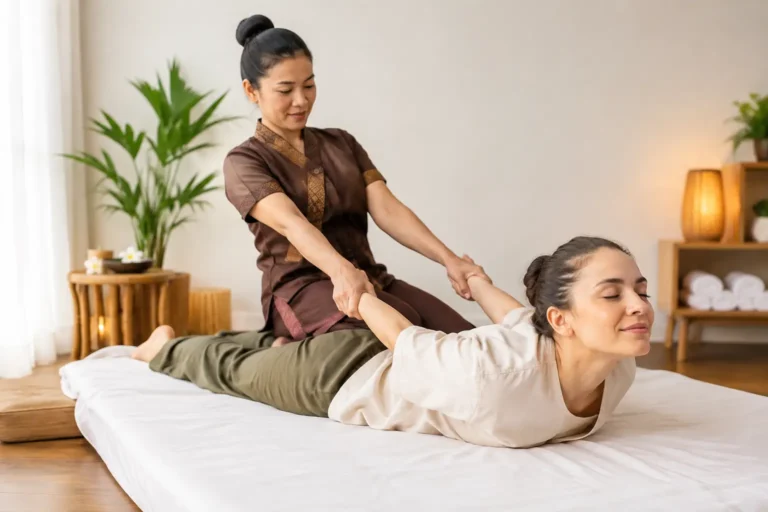
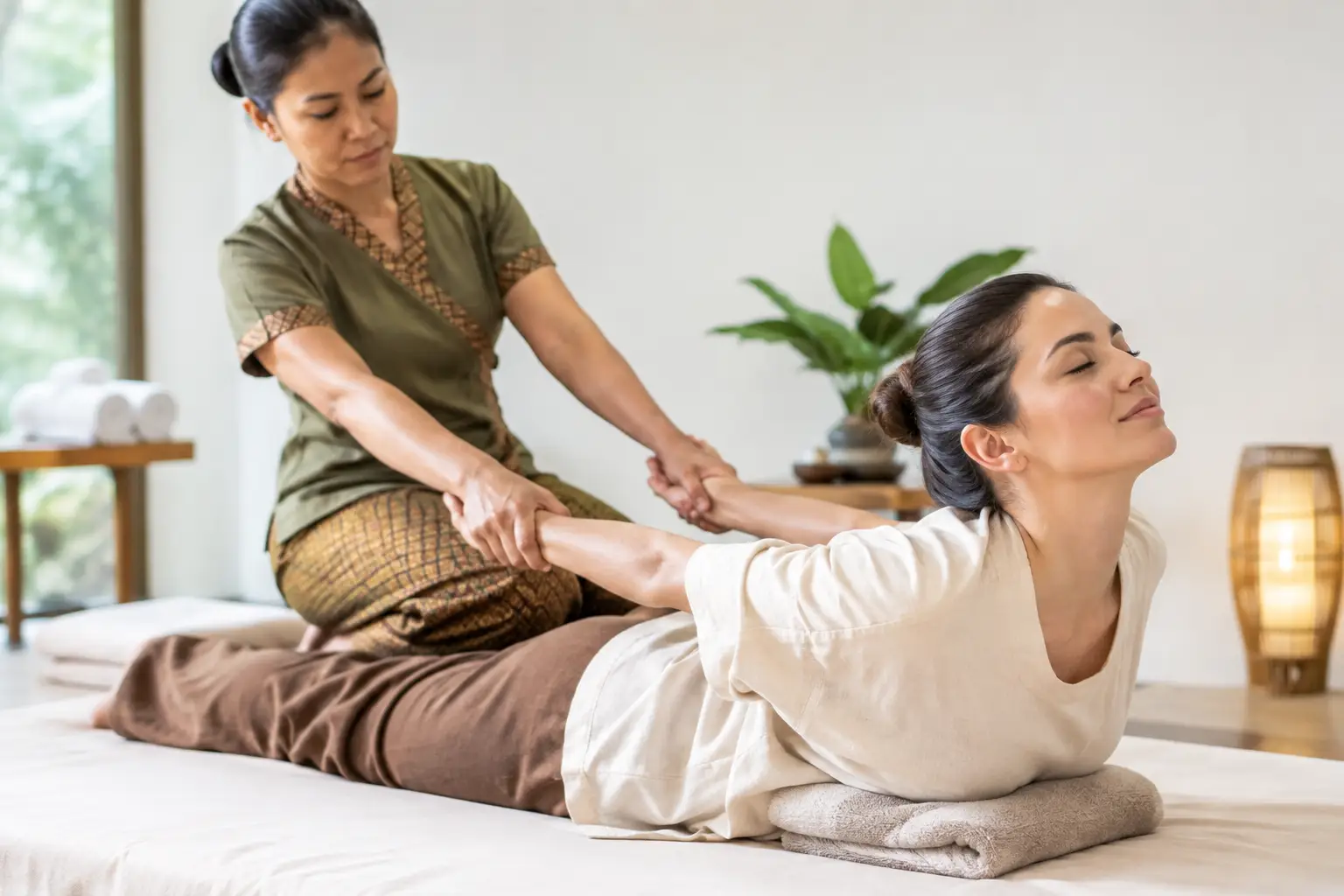
Traditional Thai massage is often performed on a comfortable floor mat while the guest wears loose clothing. Rather than relying only on oil and gliding strokes, the therapist uses palms, thumbs, forearms, gentle pressure, assisted stretches, and careful positioning. The experience is sometimes described as passive yoga, but it should always be adapted to the individual body in front of the therapist.
For back discomfort linked to muscular tightness, these techniques may help relax overworked tissues around the spine and improve the feeling of movement through the hips and shoulders. Slow compression can be grounding for muscles that feel constantly switched on. Assisted stretches may ease the sense of pulling that develops after sitting, traveling, or repetitive activity. Breathing calmly through each movement can also help the nervous system shift out of its habitual stress response.
The effect is not always dramatic in a single session. Some guests feel lighter and more mobile immediately; others notice the clearest benefit later that day, after rest and hydration. If the body has been tense for months, several well-spaced sessions, paired with gentler daily movement, may be more useful than one very intense treatment.
Pressure should feel purposeful, not punishing
A common misconception is that effective massage must be painful. In reality, pain can cause the body to brace, making it harder to relax. A skilled therapist works toward a satisfying depth while watching for signs that the muscles are resisting.
During your treatment, speak up about tenderness, old injuries, numbness, or any movement that does not feel right. “Strong but comfortable” is a useful guide. Deep pressure may be appropriate for some areas and not for others, and your session should reflect that difference.
Choosing the right style of treatment
Traditional Thai massage can be an excellent choice when the back feels stiff and the hips, legs, or shoulders also need attention. It is particularly suited to guests who enjoy stretching and prefer an energizing sense of openness after treatment.
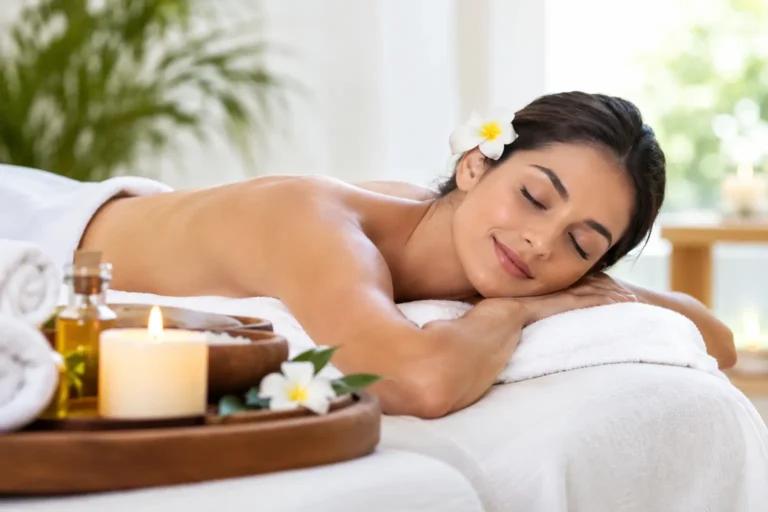
Oil massage or deep-tissue bodywork may be a better fit when you want slower, more sustained work on specific muscular areas. Warm, quality oils can add a soothing sensory element while allowing the therapist to work gradually through tightness in the back, shoulders, and legs. For someone who is tired, jet-lagged, or craving quiet restoration, this slower approach can feel more nurturing than a stretch-focused session.
Many guests benefit from a combination. Thai techniques can create length and mobility, while oil-based work can soothe areas that feel dense or overworked. At Malinda Thai Massage, a therapist can help shape the experience around whether your priority is active recovery, deep relaxation, or a little of both.
It depends, however, on the nature of your pain. A dull ache after sitting is different from sharp pain that began suddenly. Tell your therapist where you feel discomfort, what tends to aggravate it, and whether it travels into the leg or arm. These details help create a treatment that feels supportive rather than generic.
Make the session work harder for you
The quiet choices around a massage can influence how your back feels afterward. Arrive with enough time to settle rather than rushing from one obligation to the next. Wear clothing that allows movement if you are receiving traditional Thai massage, and avoid a heavy meal immediately before your appointment.
Once the session begins, let the therapist know your preferred pressure and keep communicating. A treatment is not something to endure politely. It is a collaboration centered on your comfort.
Afterward, give your body a gentle landing. Sip water, take an easy walk, and avoid jumping straight into a strenuous workout or carrying heavy bags. A warm shower, a few minutes of relaxed breathing, and an earlier bedtime can extend the restorative feeling. If your therapist suggests simple stretches, perform them softly and consistently rather than pushing for a larger range of motion.
For recurring tension, pay attention to the moments that bring it back. Is your lower back worse after long drives? Do your shoulders tighten during busy workdays? Does one side feel more restricted after walking or exercise? Massage can bring relief, while small adjustments to posture, movement breaks, sleep, and strength habits can help reduce the cycle that keeps the tension returning.
When massage is not the right first step
Massage is best approached as supportive care, not a way to ignore warning signs. Seek prompt medical guidance before booking a treatment if back pain follows a serious fall, accident, or other trauma. The same applies if you have new weakness, numbness, or tingling that is worsening, changes in bladder or bowel control, unexplained fever, or pain that is severe and unrelenting.
You should also check with a qualified health professional first if you are pregnant, have osteoporosis, are taking blood-thinning medication, have recently had surgery, or live with a condition that affects sensation or circulation. A gentler spa treatment may still be possible in some circumstances, but it should be chosen carefully.
Even without urgent symptoms, pain that persists, repeatedly wakes you at night, or steadily worsens deserves professional assessment. A massage therapist can respond to what your body presents during a session, but cannot diagnose the source of pain. That boundary is part of thoughtful care.
A restorative ritual, not just a quick fix
Back tension often asks for more than pressure on sore muscles. It asks for a pause from the habits that created it: rushing, bracing, sitting too long, carrying too much, and treating rest as optional. A tranquil room, attentive hands, aromatic oils, and time to breathe can make that pause feel meaningful.
Whether you choose an hour of focused bodywork or a longer spa ritual with herbal warmth, refreshments, and unhurried rest, let the experience be a reminder to listen to your body before discomfort becomes impossible to ignore. Relief can begin with something simple: giving yourself permission to slow down, soften, and receive care.