EN
 ZH
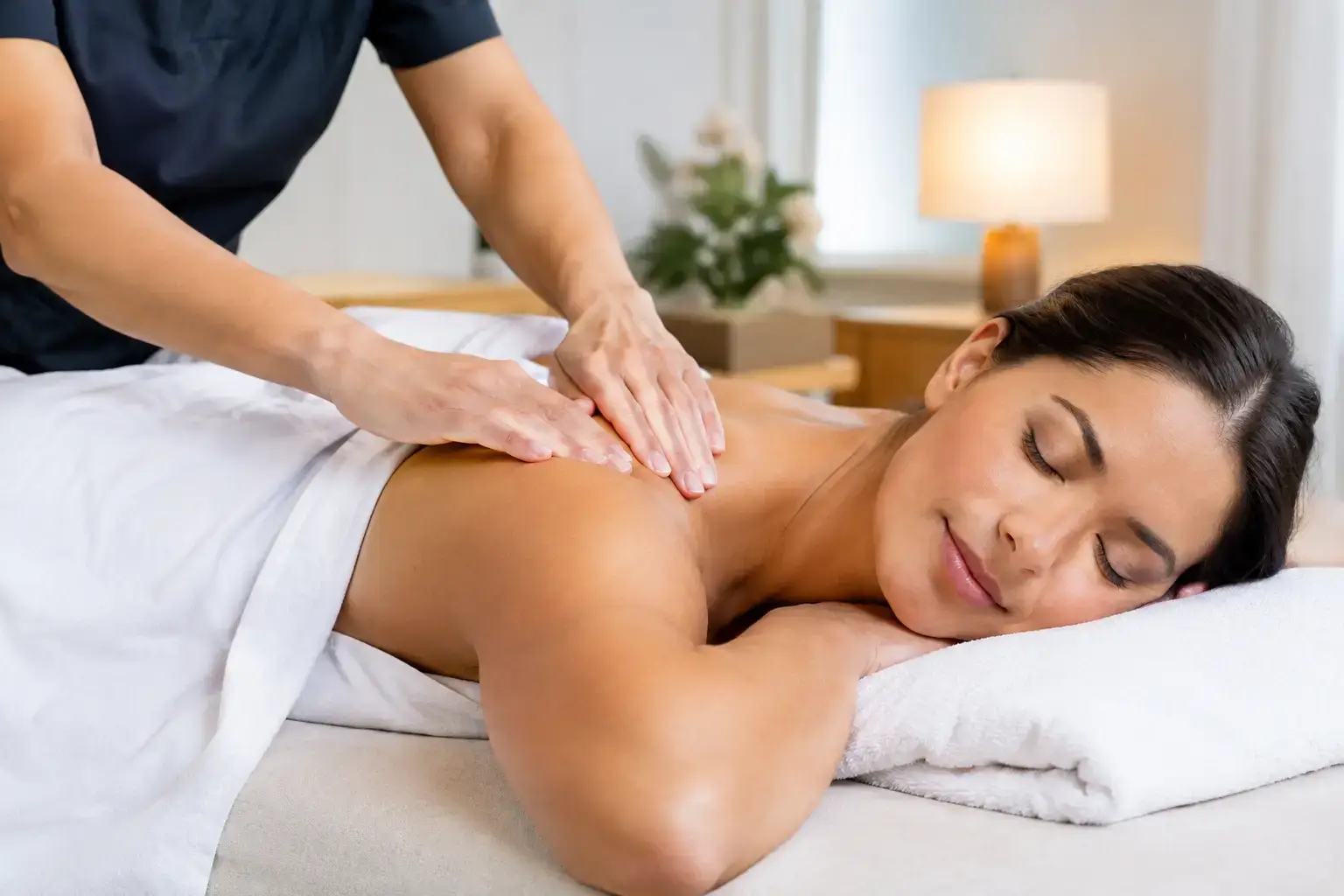
Can Massage Improve Sleep Quality? What Helps
A restless night can begin long before your head reaches the pillow. Tight shoulders after a day of travel, aching calves from walking Chiang Mai’s streets, or a mind still replaying tomorrow’s plans can all keep the body on alert. So, can massage improve sleep quality? For many people, it can be a gentle and meaningful part of a better sleep routine – especially when tension, stress, or physical discomfort is getting in the way.
Massage is not a cure for every sleep problem, and it should not replace medical care for ongoing insomnia or symptoms such as loud snoring and breathing pauses. Yet a thoughtfully paced massage can help the body settle into the quieter state that restful sleep requires. The benefit often comes from more than muscle relief alone: it is the combination of touch, stillness, warmth, slower breathing, and time away from stimulation.
Can Massage Improve Sleep Quality by Calming the Body?
Sleep asks the nervous system to shift from doing to resting. That transition can feel difficult when the body is carrying a day’s worth of movement, screens, noise, deadlines, or unfamiliar travel routines. A relaxing massage creates a pause where there is nothing to solve and nowhere to be.
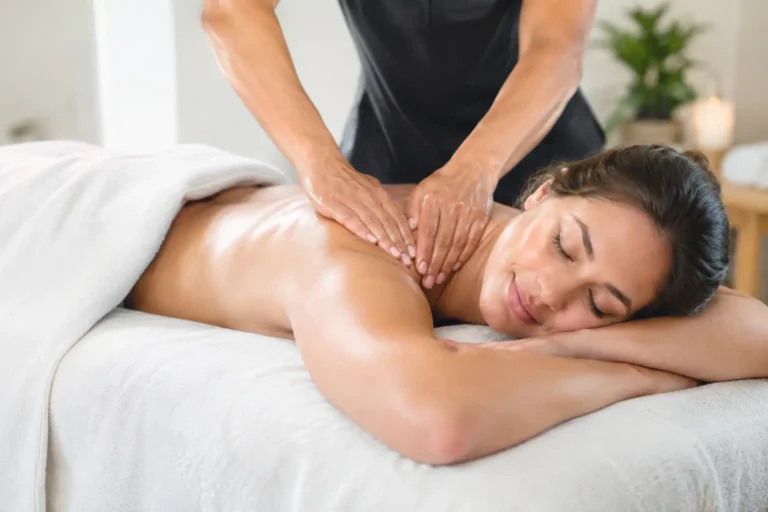
As gentle, steady pressure is applied to the muscles, many guests notice their breathing become slower and fuller. Areas that have been unconsciously braced – the jaw, neck, upper back, hands, hips, and feet – may begin to soften. This physical release can make it easier to feel comfortable lying down later, rather than constantly adjusting position to find relief.
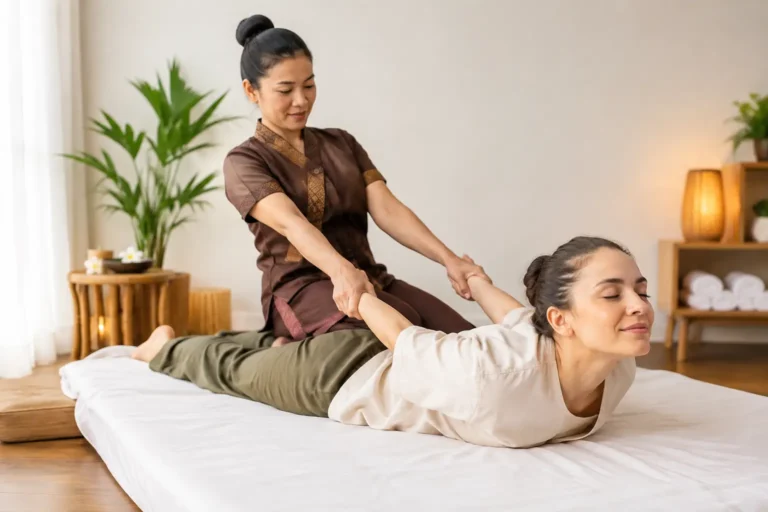
The effect depends on the style of massage and the individual. A light oil massage or soothing foot treatment may be especially calming before an early night. Traditional Thai massage, with its assisted stretches and rhythmic pressure, can leave the body feeling open and restored after long periods of sitting or walking. A deeper therapeutic session can also help with stubborn muscle tightness, although some people feel more energized immediately afterward. If sleep is the priority, tell your therapist so the pace and pressure can be adjusted accordingly.
Why Tension and Discomfort Can Disrupt Rest
The body does not always separate physical discomfort from mental stress. When your lower back aches or your shoulders feel lifted toward your ears, it is harder to fully relax. Even low-level discomfort can interrupt the natural rhythm of sleep, causing frequent turning, lighter rest, or waking earlier than planned.
Massage may help by improving the sense of ease in tight, overworked areas. For active travelers, that might mean feet and calves after a full day of sightseeing. For office workers, it may mean the neck, shoulders, and lower back after hours at a desk. For anyone who has been carrying emotional strain, the most welcome change may be simply feeling cared for in a quiet environment.
There is also a practical benefit: a massage appointment creates protected time for rest. No phone notifications, no rushing through another task, and no need to perform. When paired with a tranquil room, quality oils, and a therapist who listens to your comfort preferences, that hour can help reintroduce the body to a slower rhythm.
The Best Massage Timing for Better Sleep
There is no single perfect schedule, but timing can shape how a massage feels. For many people, an afternoon or early-evening treatment works well. It provides time for the immediate post-massage feeling to settle, while still allowing the relaxation to carry into bedtime.
A gentle massage within a few hours of sleep can be particularly pleasant if you plan a quiet evening afterward. Consider following it with a warm shower, caffeine-free herbal tea, dim lighting, and a simple meal. The goal is not to create a strict ritual, but to avoid jolting yourself back into alertness with work emails, intense exercise, or a late-night rush.
If you choose deep-tissue bodywork, you may prefer an earlier appointment. Focused pressure can be wonderfully relieving for persistent knots, but it may leave tender areas feeling more noticeable for a short time. Drink water, move gently, and give your body space to recover. Deep work can support sleep when pain and stiffness have been the problem, but a lighter approach may be better when you are already exhausted or sensitive to pressure.
Massage Styles That May Support Rest
The most restful treatment is often the one that matches what your body needs that day. A guest whose feet are sore from travel may gain more from foot reflexology and a lower-leg massage than from a full-body deep-tissue session. Someone who feels mentally scattered may prefer a slow oil massage in a softly lit room.
Traditional Thai massage can be a beautiful choice for people who feel compressed by travel, sitting, or repetitive movement. Its flowing stretches and carefully placed pressure encourage mobility while easing muscular holding patterns. It is often performed without oil and can feel both grounding and renewing.
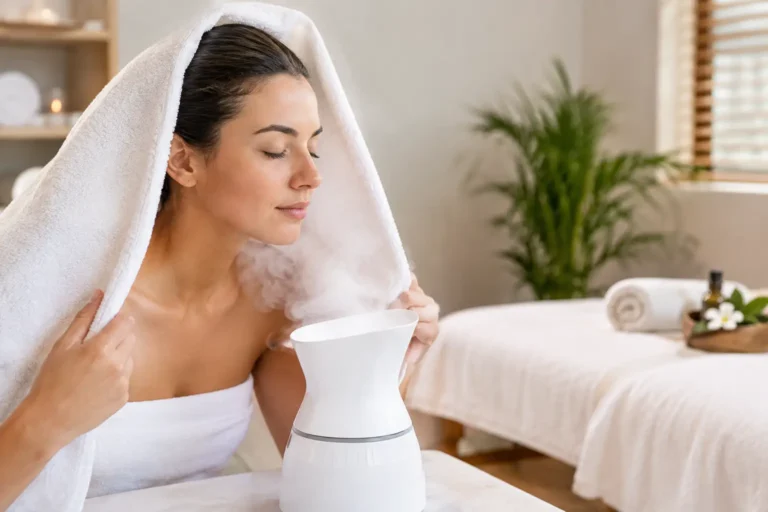
Oil massage is typically the more cocooning option. Long, smooth strokes and nourishing oils invite the body to settle, making it well suited to an evening of relaxation. Herbal elements can add warmth and sensory comfort, while a body scrub, steam, or milk bath can turn the experience into a longer, unhurried reset. These additions do not guarantee sleep, but they can make it easier to leave behind the day’s pace.
At Malinda Thai Massage in Chiang Mai, a personalized combination of Thai techniques, therapeutic bodywork, and spa rituals can be especially helpful when you want more than a quick treatment. The best choice is not necessarily the longest package. It is the one that leaves you feeling comfortably loose, calm, and ready to rest.
How to Make the Benefits Last Beyond the Treatment Room
A massage works best as part of a wider pattern of care. One session may bring welcome relief, while regular treatments can help you notice recurring tension before it becomes overwhelming. Still, the hours after a massage matter just as much as the treatment itself.
Keep your evening simple. Hydrate, eat something nourishing if needed, and choose gentle movement rather than strenuous activity. Give yourself permission to go to bed a little earlier, even if you do not fall asleep immediately. Resting in a calm space is still valuable for a body that has been asked to slow down.
If your mind tends to race at night, try pairing massage days with one small wind-down practice: a few quiet breaths, a warm bath, soft music, or writing tomorrow’s to-do list before you get into bed. The practice should feel comforting, not like another task to complete perfectly.
When Massage Is Not Enough on Its Own
Massage can be supportive, but persistent sleep difficulties deserve attention. Speak with a qualified health professional if poor sleep lasts for weeks, affects your daytime functioning, or comes with anxiety, depression, chronic pain, frequent nightmares, or signs of sleep apnea. Snoring combined with gasping, choking, or breathing pauses should be assessed rather than managed with relaxation treatments alone.
It is also wise to share relevant health information before a massage. Recent injuries, fever, skin irritation, circulation concerns, pregnancy, blood-thinning medication, or unexplained pain may affect which techniques are appropriate. A skilled therapist can adapt pressure and positioning, but open communication helps make the experience both safer and more comfortable.
A good night’s sleep rarely comes from one perfect solution. Sometimes it begins with a quieter room, a less hurried evening, and a body that no longer has to hold every bit of the day’s tension. A caring massage can offer that gentle transition – not by forcing sleep to happen, but by giving rest a more welcoming place to begin.